DMZ Tour Guide 2026: Exploring the World's Most Fortified Border
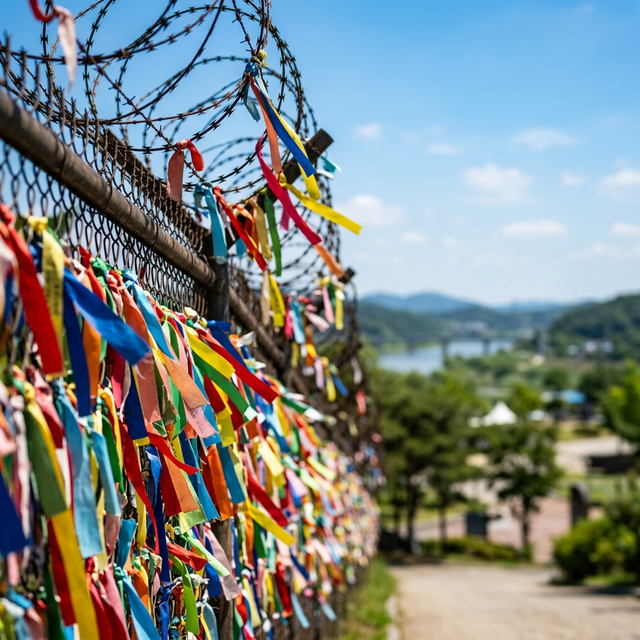
Updated for March 2026
For many travelers, a visit to South Korea is incomplete without seeing the Demilitarized Zone (DMZ - 비무장지대). This 4-kilometer-wide strip of land has served as the buffer between North and South Korea since the 1953 armistice.
It is a place of heavy tension, stark history, and surprisingly, thriving nature. If you're looking for a deep dive into the geopolitical reality of the Korean Peninsula, here is everything you need to know about visiting the DMZ in 2026.
🛑 Important: You Cannot Go Alone
The most crucial thing to remember is that you cannot visit the DMZ on your own. Because it is an active military zone, you must join an authorized tour group. Tours typically depart from Seoul (near City Hall or Myeongdong) and last between 6 to 8 hours.
🛂 What to Bring
- PASSPORT: This is non-negotiable. Military personnel will check your passport at multiple checkpoints. No passport, no entry.
- Dress Code: While regular DMZ tours are more relaxed, JSA (Joint Security Area) tours have a strict dress code. Avoid ripped jeans, camouflage, or overly revealing clothing.
🗺️ Major Highlights of a DMZ Tour
Most standard "Half-Day" or "Full-Day" tours include the following stops:
🏛️ JSA (Panmunjom) vs. Standard DMZ Tour
There are two main types of experiences:
- Standard DMZ Tour: Includes the tunnel, observatory, and station. This is the most common tour and is almost always available.
- JSA (Joint Security Area) Tour: This is where the "blue houses" are, and where South and North Korean soldiers stand face-to-face.
- Status in 2026: JSA tours are often suspended due to political tensions or military exercises. Check with your tour operator (like Koridoor or VVIP Travel) at least a month in advance.
DMZ tours are incredibly popular and have a limited number of "slots" per day granted by the military. During peak seasons (Spring and Autumn), tours can sell out 2-3 weeks in advance. If you are a solo traveler, booking via platforms like Klook or GetYourGuide is the easiest way to secure a spot.
🚦 Culture & Rules of Conduct (에디켓)
- Photography Rules: Your guide will tell you exactly where you can and cannot take photos. Listen carefully. Taking photos at unauthorized checkpoints can lead to your camera being confiscated or the entire bus being sent back.
- Do Not Wave: At the Dora Observatory or JSA, do not wave, signal, or point toward the North Korean side. This is for your safety and to avoid any diplomatic incidents.
- Physical Condition: Visiting the 3rd Tunnel involves a steep 350-meter walk down and back up. It’s cramped and humid. If you have heart conditions or claustrophobia, you might want to wait at the entrance.
- Listen to the GIs: If you are on a JSA tour, the UN Command soldiers (American and South Korean) are in charge. Follow their instructions immediately and without question.
🛍️ Souvenirs: DMZ Specialty Products
Surprisingly, the DMZ area is famous for its clean environment and high-quality agriculture. * DMZ Soybeans (Jangdan-kong - 장단콩): High-quality soybeans used for chocolate and snacks. * North Korean Currency: You can often buy sets of North Korean won at the souvenir shops. * DMZ Wild Rice & Ginseng: Highly prized for their purity.
🍱 Where to Eat: Paju (파주)
Most tours include lunch at a restaurant near Imjingak or in the nearby city of Paju. You'll likely enjoy: * Bulgogi: Sweet marinated beef. * Bibimbap: The classic healthy mixed rice bowl. * Tip: If you're a coffee lover, the Paju area (near the DMZ) has some of the most massive and architecturally stunning "Mega Cafes" in Korea. Ask your guide if they can recommend one for the drive back!
The DMZ is a sobering reminder of the ongoing division of Korea, but it also offers a unique message of hope for peace. It’s an educational and emotional journey that you’ll remember for a lifetime.
❓ Frequently Asked Questions
Q: Do I absolutely need a passport to visit the DMZ? Yes, without exception. Military personnel conduct passport checks at multiple checkpoints throughout the DMZ tour. If you do not have your physical passport with you, you will be turned away — even if you have a photo of it on your phone. Always carry your original passport on DMZ tour day, not just a photocopy.
Q: How far in advance should I book a DMZ tour from Seoul? Booking 1–2 weeks in advance is recommended for regular periods, and 2–3 weeks ahead during peak seasons (spring and autumn). DMZ tours have a limited number of daily military-approved slots that sell out quickly. Platforms like Klook and GetYourGuide offer reliable booking and instant confirmation. Solo travelers can join group tours very easily.
Q: What is the difference between the standard DMZ tour and the JSA (Panmunjom) tour? The standard DMZ tour includes the 3rd Tunnel, Dora Observatory, and Dorasan Station — these are always available. The JSA (Joint Security Area) tour visits the iconic "blue houses" where North and South Korean soldiers stand face-to-face, but it is frequently suspended due to military tensions or exercises. Check availability with your operator at least a month before your trip if the JSA is your priority.
Q: Can I take photos at the DMZ? Photography is permitted at most stops on the standard DMZ tour, but your guide will clearly indicate exactly where photos may and may not be taken. At the Dora Observatory, for example, photography is restricted to a designated line. Never photograph military checkpoints, soldiers, or equipment without explicit permission. Violating photography rules can result in your memory card being confiscated.
Q: How long does a typical DMZ tour take, and what is included in the price? Most standard DMZ tours run approximately 6–8 hours, departing from Seoul (near City Hall or Myeongdong) in the morning and returning by early afternoon. Tour prices typically include transportation by air-conditioned coach, an English-speaking guide, and admission fees to the included attractions. Lunch is sometimes included but often optional at an additional cost.