Jeju Island Travel Guide 2026: Exploring Korea's Island Paradise
Updated for March 2026
Welcome to Jeju Island (Jejudo - 제주도), South Korea's largest island and a UNESCO World Natural Heritage site. Often called the "Hawaii of Korea," Jeju is a volcanic wonderland filled with emerald waters, lush green landscapes, and a culture that is uniquely its own.
In 2026, Jeju remains the top getaway for both locals and international travelers seeking a perfect blend of adventure and relaxation.
✈️ How to Get to Jeju Island
Jeju is accessible primarily by air and sea.
Tip: Booking domestic flights via Korean Air, Asiana, or LCCs (Jeju Air, Jin Air) well in advance is highly recommended, especially during spring.
🏔️ Top Natural Wonders
1. Seongsan Ilchulbong (Sunrise Peak - 성산일출봉)
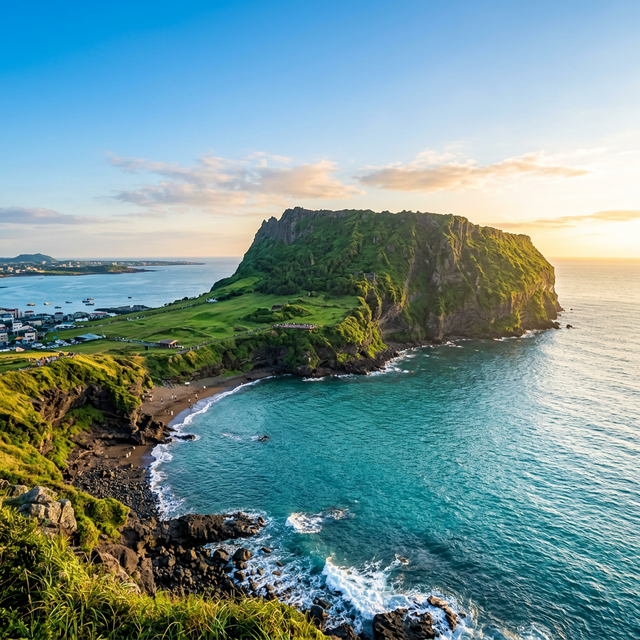
This majestic tuff cone rose from the sea in a volcanic eruption over 5,000 years ago. The hike to the top takes about 20-30 minutes and offers a breathtaking panoramic view of the ocean and the island. * Highlight: Watching the sunrise from the crater rim.
2. Hallasan National Park (한라산국립공원)
Mount Halla is the highest peak in South Korea (1,947m). It offers several trails ranging from easy walks to challenging summit hikes. * Booking Required: To hike to the summit (Baengnokdam), you MUST reserve a slot online in advance.
3. Manjanggul Cave (만장굴)
One of the finest lava tunnels in the world. Walking through this 1km-long public section feels like entering another planet with its massive lava columns and unique formations.
While Jeju has a public bus system, it can be slow for reaching remote natural spots. Renting a car (Jak-i-dong-cha - 자기동차) is the best way to explore. You will need an International Driving Permit (IDP). If you cannot drive, consider hiring a private taxi guide for the day.
👵 The Haenyeo (Women Divers - 해녀)
Jeju's most iconic symbol is the Haenyeo—female divers who harvest seafood by hand without any breathing apparatus. This tradition is a UNESCO Intangible Cultural Heritage. * Where to see them: Near Seongsan Ilchulbong or at the Haenyeo Museum. You can often see them selling freshly caught seafood (conch, abalone, sea squirt) right on the rocky shores.
🍽️ Jeju Gastronomy: What to Eat
Jeju's cuisine is distinct from the mainland, focusing on fresh, local ingredients.
- Black Pork (Heuk-dwaeji - 흑돼지): The island's most famous dish. The meat is exceptionally tender and flavorful when grilled over charcoal.
- Abalone Porridge (Jeonbok-juk - 전복죽): A creamy, savory breakfast staple made with fresh abalone.
- Hallabong (한라봉): A sweet, seedless citrus fruit unique to Jeju. Don't leave without trying Hallabong juice or ice cream!
🏮 Culture & Etiquette (에디켓)
- Dol Hareubang (Stone Grandfather - 돌하르방): You'll see these basalt statues everywhere. They are believed to offer protection and fertility.
- Respect the Environment: Jeju is a protected island. Do not take rocks or sand from the beaches, and always use designated trash bins.
- Wind, Rocks, and Women: Jeju is traditionally known for having an abundance of these three things (Samda - 삼다). Be prepared for sudden gusts of wind, especially near the coast.
🎒 Suggested 3-Day Itinerary
- Day 1 (East Coast): Seongsan Ilchulbong, Haenyeo Performance, Manjanggul Cave, and dinner at a Black Pork BBQ restaurant.
- Day 2 (South & West Coast): Jeongbang Waterfall (falls directly into the ocean), Jusangjeolli Cliff, and the O'sulloc Tea Museum.
- Day 3 (Central Mountain): Hike Hallasan (Short trail) or explore the Jeju Stone Park before heading back to the airport.
Jeju Island is a place where you can truly reconnect with nature. Whether you're standing on the peak of a volcano or enjoying a sunset at a beach cafe, Jeju will capture your heart!
❓ Frequently Asked Questions
Q: Do I need a car to explore Jeju Island? Renting a car is very strongly recommended. While public buses connect major attractions, they run infrequently and can take much longer to reach remote natural spots like Manjanggul Cave, Jusangjeolli Cliff, or the O'sulloc Tea Museum. You will need a valid International Driving Permit (IDP) in addition to your home country's driver's license. Rental agencies are available at Jeju International Airport.
Q: How do I book a hike to Hallasan summit? Advance online reservation is mandatory to hike to the Baengnokdam (백록담) crater summit via the Seongpanak or Gwaneumsa trails. Register through the Hallasan National Park online reservation system. Day-use permits are limited and fill up fast — book at least 1 month in advance for spring and autumn dates. The round trip takes 9–11 hours, so start before 6 AM.
Q: What is unique about Jeju's haenyeo culture? The haenyeo (해녀) are Jeju's legendary female free divers who harvest seafood without breathing equipment, a tradition spanning over a thousand years now recognized as UNESCO Intangible Cultural Heritage. You can see them diving near Seongsan Ilchulbong or at the Haenyeo Museum near Kimnyoung. On rocky shores near fishing villages, haenyeo often sell freshly caught abalone, conch, and sea squirt directly to visitors.
Q: What are Jeju's must-try local foods that differ from mainland Korea? The island's culinary specialties include Heuk-dwaeji (흑돼지, black pork BBQ with uniquely tender and flavorful meat), Jeonbok-juk (전복죽, creamy abalone porridge), and Hallabong (한라봉, a sweet seedless citrus unique to Jeju). Also try haenyeo-harvested raw seafood (hoe), which is notably fresh and distinctly different from what you'll find in Seoul.
Q: How many days should I spend on Jeju Island? Three days is the recommended minimum to experience Jeju's highlights. Day 1 covers the east coast (Seongsan Ilchulbong, Manjanggul Cave). Day 2 explores the south and west coasts (Jeongbang Waterfall, Jusangjeolli Cliff, O'sulloc Tea Museum). Day 3 is ideal for a shorter Hallasan hike or Jeju Stone Park before heading to the airport. Five days allows for a much more relaxed and comprehensive experience.