Andong Hahoe Village Guide 2026: Korea's Most Beautiful Traditional Village
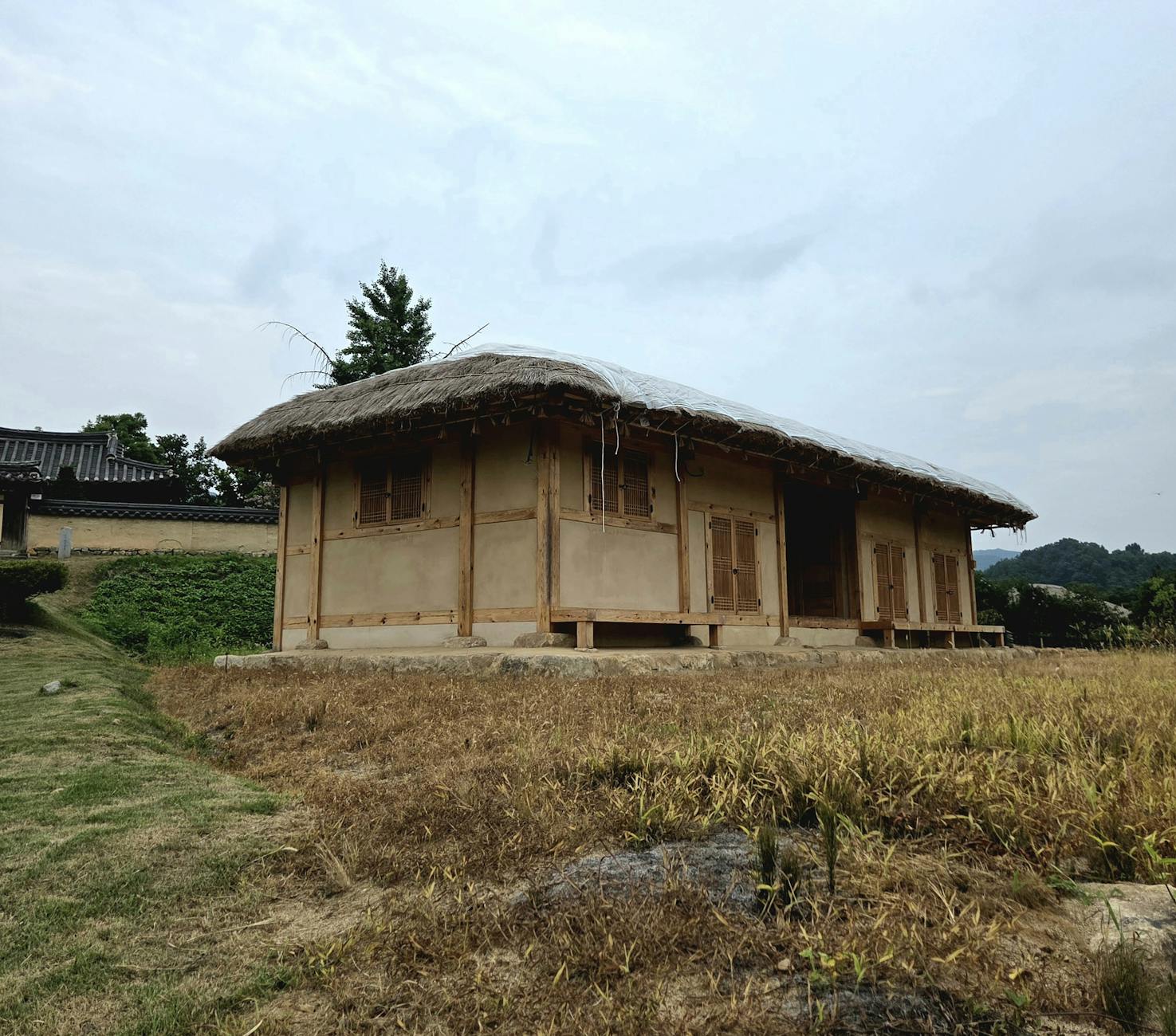
Tucked inside a loop of the Nakdong River in North Gyeongsang Province, Andong's Hahoe Village looks almost exactly as it did four hundred years ago. The Ryu clan has lived here continuously since the 14th century, and the village — a cluster of thatched and tile-roofed hanok homes arranged around the clan's ancestral hall — remains one of the most authentically preserved traditional settlements in all of Korea. In 2010, UNESCO designated it a World Heritage Site alongside Gyeongju's Yangdong Village.
Why Hahoe Village Is Different
Korea has many traditional villages, but most are reconstructions or tourist re-creations. Hahoe is inhabited — real families still live here, maintain the homes, and observe the ceremonies that have shaped this place for centuries. Walking through it feels less like a museum and more like stepping into a living timeline.
The surrounding landscape adds to the atmosphere. The Nakdong River wraps almost entirely around the village on three sides, with pine-forested cliffs (Buyongdae) rising on the opposite bank. The view from the cliff across to the thatched rooftops below is one of the most iconic images in Korean travel photography.
Getting to Andong Hahoe Village
Andong is not on the KTX network, so getting here requires slightly more planning than major tourist destinations — but it's entirely manageable as a day trip or overnight.
From Seoul: 1. KTX or ITX from Cheongnyangni Station → Andong Station (about 2 hours, ₩27,000–35,000) 2. From Andong Bus Terminal or Station: Local bus 46 → Hahoe Village (about 30 minutes, ₩1,500) - Buses run approximately every 30–60 minutes; check Andong city bus schedule - Taxi from Andong city center: about ₩15,000–20,000, 20 minutes
From Busan: - Bus from Busan Nopo Terminal → Andong Bus Terminal (about 2 hours, ₩17,000) - Then local bus or taxi to Hahoe Village
From Gyeongju: - Bus from Gyeongju → Andong (about 1.5 hours); good option for combining both cities
Admission: ₩5,000 (adults), ₩2,000 (children) — covers village entry and Buyongdae cliff area
What to See and Do
The Village Itself
Hahoe's layout reflects traditional Confucian social order. The clan's ancestral hall (종가) sits at the center, with tile-roofed yangban (nobleman) homes clustered nearby and thatched-roof commoner homes at the periphery. Wander freely — most paths are open to visitors, and the village has few signposted "attractions." The experience is about immersion rather than checking boxes.
Key structures to find: - Yangjindang (양진당) — The main Ryu clan ancestral home, over 500 years old, still occupied by clan descendants. The interior architecture and garden are exceptional. - Chunghyodang (충효당) — Another preserved yangban home from the 17th century, associated with scholar Ryu Seong-ryong (a famous Joseon-era prime minister). - Samsin Dangsan Tree — Ancient zelkova tree at the village entrance, considered a sacred guardian of the village for centuries.
Buyongdae Cliff (부용대)
The pine-covered cliff on the opposite bank of the Nakdong River offers the most dramatic view of Hahoe Village — rooftops, river bend, and forested mountains beyond. The walk up takes about 20 minutes from the riverside.
Getting across: A small manual ferry (나룻배) operates between the village and the Buyongdae side — ₩1,000 each way. It's one of the most atmospheric short journeys in Korea.
Best time: Early morning light falls directly onto the village from the cliff. Sunset from here is equally spectacular, with the river turning gold below.
Hahoe Mask Dance (하회별신굿탈놀이)
The Hahoe Mask Dance is a UNESCO Intangible Cultural Heritage — a satirical performance tradition dating from the 12th century in which masked characters (nobleman, monk, butcher, young wife) play out stories that mock the ruling class and religious hypocrisy. Originally performed to drive out evil spirits and bring good harvests, it evolved into a vehicle for social commentary that commoners could voice through performance.
Performance schedule (2026): - March – November: Saturdays and Sundays, 15:00 (3pm) - May – September: Additional Saturday performance at 20:00 (8pm) — the evening performance with torchlight is particularly atmospheric - Location: Open-air performance area within the village - Entry: Included with village admission
The performance lasts approximately 60–70 minutes and has English subtitles/narration at some shows — check the Andong tourism website for current schedule.
Andong Folk Museum (안동민속박물관)
Located just outside the village entrance, the Folk Museum contextualizes Hahoe's history — exhibits on the Ryu clan genealogy, traditional ceremonies, the mask tradition, and Andong's role in Korean Confucian scholarship. Good to visit before entering the village.
Hours: 09:00–18:00 (closed Mondays) Entry: Free with village ticket
What to Eat in Andong
Andong Jjimdak (안동찜닭) — Braised Chicken
Andong's most famous dish nationally — whole chicken braised with glass noodles, potatoes, and vegetables in a soy-based sweet-savory sauce. The dish became a nationwide phenomenon when Andong-style braised chicken restaurants spread across Korea in the 2000s.
Where to eat: The original Andong Jjimdak restaurants are clustered in the Andong Jjimdak Alley (찜닭골목) in downtown Andong, not at the village — plan to eat here before or after your village visit.
Price: ₩25,000–35,000 for a full portion (serves 2–3)
Heongsik (헛제삿밥) — Ancestral Ritual Food
A uniquely Andong dish — a meal based on the food traditionally prepared for ancestral memorial ceremonies (제사), served as a regular restaurant meal. Simple, clean flavors: rice, seasoned vegetables, grilled fish, and a clear broth. A taste of Joseon-era yangban dining.
Where: Several traditional restaurants in Andong city center and near Hahoe serve this; look for 헛제삿밥 on the sign.
Andong Soju (안동소주)
Andong has produced soju for over 700 years — its traditional soju (안동소주) is distilled rather than diluted (unlike modern commercial soju), with a cleaner, more complex character and higher alcohol content (40%). Available at village shops and Andong city restaurants.
Practical Tips
Best season: Spring (April–May) and autumn (October–November) are the most beautiful. Spring brings bright green rice fields and blooming trees around the village; autumn turns the surrounding forests gold.
Time needed: Minimum 3 hours for the village and Buyongdae; a full day if you include the Folk Museum and mask dance performance.
Accommodation: Andong city has several good hotels and guesthouses. Some traditional hanok guesthouses operate within or near Hahoe Village — a memorable way to experience the village at dusk and dawn when day visitors have gone. Book well in advance as capacity is limited.
Photography: The ferry crossing to Buyongdae and the view back to the village from the cliff are the best shots. The village lanes and old trees photograph well in morning light. No tripod restriction inside the village.
Andong + Gyeongju combination: Both cities are in North Gyeongsang Province and about 1.5 hours apart by bus — combining them into a 2-day trip covering Korea's finest historical and traditional heritage makes a compelling itinerary.
Hahoe is the kind of place that changes your sense of scale in Korean history. Standing in a house that has sheltered the same family for five centuries, watching a performance tradition that predates Columbus, looking out from a cliff at a village that the river has protected for 600 years — it reorients what "old" means.
Interested in traditional Korea? Read our guides to Jeonju Hanok Village and Temple Stay for more immersive cultural experiences.