Hanok Stay in Korea 2026: Sleeping in a Traditional Korean House
Updated for April 2026
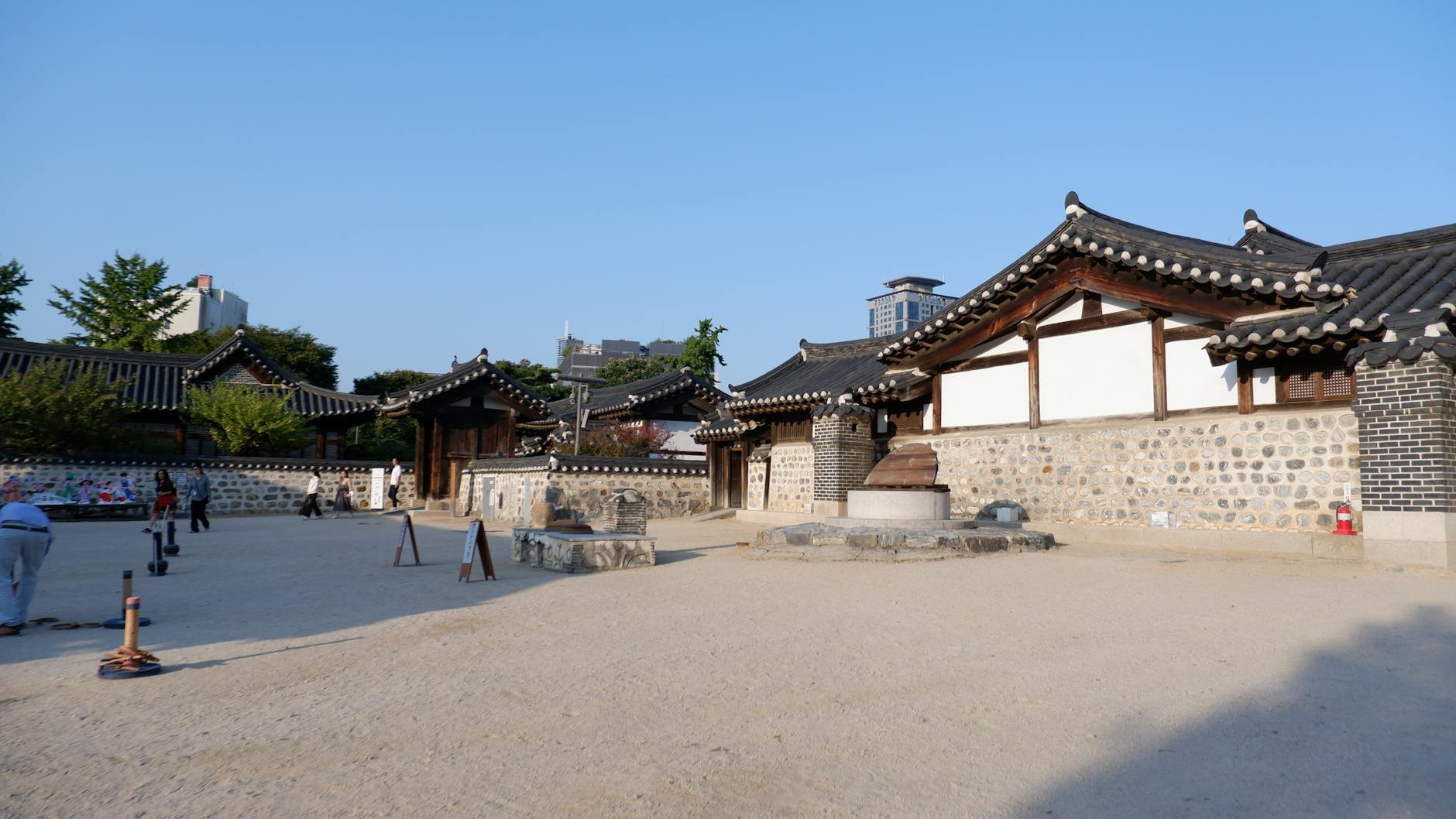
A hanok (한옥) is a traditional Korean house — low-profile wooden architecture with curved tiled rooftops, paper-screened sliding doors, and rooms built around a central courtyard. Sleeping in one is a completely different experience from a hotel or guesthouse: the scale is intimate, the materials are natural, and the design philosophy — orienting the building toward sunlight, using the courtyard for air circulation, heating the floor rather than the air — reflects centuries of accumulated knowledge about how to live well in the Korean climate.
Hanok stays are available across Korea at a range of price points, from heritage guesthouses in Bukchon to boutique stays in Jeonju's hanok village to remote rural retreats. This guide covers what to expect, where to find the best options, and what first-time guests should know.
🏠 What Makes a Hanok Different
Ondol (온돌) — Underfloor heating: The defining feature of traditional Korean domestic life. Heat circulates through channels beneath the stone floor, warming the room from below. Sleeping on a floor-level yo (요, padded mattress) on a warm ondol floor is deeply comfortable in winter and autumn — for many guests, the single most memorable aspect of a hanok stay.
In summer, the same system works in reverse: the thick stone floor stays cool, and the wide eaves keep direct sunlight out.
Architecture: - Madang (마당): The central courtyard — the social heart of the house, open to the sky. Most hanok guesthouses have a shared madang with plants, stone lanterns, and seating. - Maru (마루): Wooden-floored veranda connecting the rooms, where you sit in the evening - Hanji (한지): Traditional Korean paper used in sliding doors and windows — translucent, filtering light softly
What it's not: A hanok stay is not a luxury hotel experience. Bathrooms may be shared (in traditional guesthouses) or private (in boutique hanok). The rooms are small by Western standards. The floor-level sleeping takes adjustment. This is part of the charm — not a bug.
📍 Best Areas for Hanok Stays
Bukchon Hanok Village, Seoul (북촌 한옥마을)
The most famous hanok area in Seoul — a hillside neighborhood between Gyeongbokgung and Changdeokgung with the highest concentration of preserved urban hanok in the country. Staying here puts you within walking distance of both palaces, Samcheong-dong galleries, and Insadong.
What to expect: Most Bukchon hanok guesthouses are smaller, family-run operations with 3–8 rooms. Breakfasts are often included (traditional Korean or simple Western). The narrow lanes are beautiful in the morning before tourist crowds arrive.
Price range: ₩80,000–200,000 per night for standard rooms; ₩200,000–500,000 for private courtyard rooms.
Jeonju Hanok Village (전주 한옥마을)
The largest hanok village in Korea — over 700 traditional houses concentrated in a single neighborhood. Jeonju has a deeper and more established hanok stay culture than Seoul, with longer rental periods standard and more variety in accommodation styles.
The combination of hanok stay + Jeonju bibimbap + afternoon walking through the village is one of the most complete traditional Korean travel experiences available.
Price range: ₩50,000–150,000 per night — generally more affordable than Seoul.
Access: KTX from Seoul to Jeonju Station (~1h 45m), then taxi or bus to the village.
Gyeongju (경주)
Korea's ancient capital, with hanok guesthouses scattered through the historic center near Tumuli Park and Cheomseongdae. Staying in a hanok in Gyeongju adds a layer of historical immersion to a city already saturated with history — Silla Dynasty royal tombs are visible from many guesthouse courtyards.
Price range: ₩60,000–150,000 per night.
Bukchon-style guesthouses outside Seoul
Several rural areas have boutique hanok stays in countryside settings — particularly in South Jeolla Province (전라남도) and around Andong (안동), where the Hahoe Folk Village offers an authentic setting for hanok stays.
💰 Price Guide
📱 How to Book
Airbnb: The largest inventory of hanok stays, particularly in Seoul and Jeonju. Reviews in English. Good for boutique and privately-run options.
Booking.com: Increasing inventory of certified hanok stays with English interface and free cancellation options.
Goodstay (굿스테이): Korea Tourism Organization's quality-certified accommodation program — certified hanok properties meet minimum standards for facilities and service.
Naver Travel (네이버 여행): The most comprehensive Korean-language booking platform — requires Korean navigation but has the widest selection, including small family guesthouses not listed on international platforms.
Direct booking: Many smaller hanok guesthouses operate through Instagram or KakaoTalk. A Google search of "[area] 한옥 게스트하우스" will find options not on major platforms.
🛏️ What to Expect on Arrival
Shoes: Remove all shoes at the entrance — this is non-negotiable in any hanok. Slippers are usually provided.
Bedding: Yo (요, floor mattress) and ibul (이불, thick duvet) will be laid out for you or stored in the wardrobe for you to arrange. If you have back issues, request a Western-style bed in advance — some hanok have this option.
Bathroom: In traditional guesthouses, bathrooms may be shared between 2–4 rooms. Check when booking if a private bathroom is important to you.
Ondol heat: In winter, the floor heating is usually controlled by room. In summer, the floor may be unheated — the rooms stay naturally cooler.
Noise: Hanok walls are thin — the paper screens and wooden construction carry sound easily. This is one reason most hanok guesthouses have a quiet hours policy after 10PM.
🌸 Best Seasons
❓ Frequently Asked Questions
Q1: Is a hanok stay comfortable for Western guests unfamiliar with floor sleeping? Most guests adapt easily within one night. The yo is thicker than it looks, and the ondol floor warmth makes the experience comfortable. If you have significant back or joint issues, request a raised bed option when booking.
Q2: Is Wi-Fi available in hanok guesthouses? Yes — virtually all hanok guesthouses now have Wi-Fi, even the smallest family-run operations.
Q3: Can I stay in a hanok in central Seoul? Yes — Bukchon has several guesthouses within walking distance of Anguk Station, putting you 10 minutes from Gyeongbokgung and 15 minutes from Insadong.
Q4: How is a hanok stay different from a temple stay? Both involve floor sleeping and traditional architecture, but a hanok stay is a private accommodation — there is no schedule, no early morning bells, and no communal meals (unless breakfast is offered). A hanok stay is more like a hotel; a temple stay is a structured cultural program.
Q5: Are hanok stays family-friendly? Yes — the courtyard and communal spaces work well for families. Note that traditional rooms have no beds, which may require explanation for young children. Some boutique hanok have family rooms with multiple yo or a mix of floor and raised sleeping options.