Is It Safe to Walk Alone at Night in Seoul? An Honest Guide

For many travelers — particularly those visiting alone or for the first time — the question of nighttime safety in an unfamiliar city is a real one. Seoul's reputation on this front is consistently strong, but understanding why, and knowing the handful of situations that warrant awareness, is more useful than a simple yes or no.
Quick Answer
Yes, Seoul is one of the safest major cities in the world to walk alone at night. South Korea has a very low violent crime rate, an extremely dense CCTV network, and a strong culture of public safety. Solo travelers — including solo female travelers — regularly walk through Seoul's neighborhoods late at night without incident. The areas most worth being aware of are Itaewon on weekend nights (crowded and occasionally rowdy, not particularly dangerous) and isolated back alleys in any district, as in any large city. A basic level of urban awareness is all that's needed.
The Full Answer
What the Numbers Say
South Korea consistently ranks among the safest countries in the world by crime statistics. South Korea's homicide rate is approximately 0.6 per 100,000 people — roughly one-fifth of the United States and well below the OECD average. Numbeo's Safety Index, which aggregates user-reported data from cities globally, consistently places Seoul in the top tier of safe major cities, alongside Tokyo and Singapore and well above Paris, London, or New York.
The violent crime rate is a fraction of what it is in most Western cities of comparable size. Assault, robbery, and street crime targeting pedestrians are genuinely rare in Seoul by global standards.
According to Seoul Metropolitan Police data, the five major crime categories tracked in Korea — homicide, robbery, sexual assault, theft, and violent crime — have been on a sustained downward trend through the 2020s. This is not a statistical blip; it reflects structural improvements in policing, urban design, and surveillance infrastructure across the city.
The city operates one of the highest CCTV densities in the world — cameras cover subway stations, intersections, alleyways, parks, and commercial streets. This is not a comfort for privacy advocates, but it does have a documented deterrent effect on street crime.
The Seoul city government also runs Anshimi (안심이), a dedicated safety app that provides real-time CCTV-monitored safe-route guidance, an escort service request function, and a direct police connection. It is available in Korean and signals how seriously the city administration treats pedestrian safety as an infrastructure issue — not just a policing one.
Police presence is visible, particularly near entertainment districts on weekend nights. The 112 emergency number is staffed 24 hours and has English-language support available.
Where Seoul Feels Safest at Night
Most of Seoul's popular neighborhoods are genuinely comfortable to walk through late at night:
Hongdae is busy until 3–4am on weekends with young Koreans, students, and tourists. The streets are bright, the sidewalks are full, and the energy is lively rather than threatening. Solo travelers frequently spend late nights here without any concern. Walking from Hongdae Station at 2am on a Friday — past street performers, pojangmacha tents, and groups of friends heading between bars — feels considerably less tense than comparable nightlife zones in most European cities.
Myeongdong and Insadong wind down earlier — shops close by 10–11pm — but the streets remain well-lit and populated until midnight or later. Walking back to your accommodation late is not an issue.
Gangnam — the commercial and nightlife district south of the river — is busy, policed, and well-lit throughout the night. The underground passages and well-marked streets make navigation easy.
Sinchon and Yeonsei University area mirrors Hongdae in character — student-heavy, active late, and low-risk.
Han River parks are a unique case. Many Koreans visit the Han River at night — for picnics, cycling, and fireworks. The parks are open 24 hours and have adequate lighting in main areas, though isolated corners of large parks are worth treating as you would any urban green space after dark.

Areas to Be Aware Of
Itaewon on Friday and Saturday nights is the one area that warrants slightly more attention. It is the most internationally mixed nightlife district in Seoul, with a high concentration of bars and clubs. It is not dangerous in any meaningful sense, but weekend nights bring large crowds, alcohol, and the occasional confrontation between intoxicated people — standard for any major nightlife zone globally. The October 2022 crowd crush tragedy occurred here during an unusually dense Halloween event; the district itself has been significantly safety-upgraded since, but being crowd-aware on peak nights remains sensible.
Isolated alleys in any district — as with any large city, narrow back streets away from main roads and with no other pedestrians warrant the same common-sense caution you would apply anywhere. This is not a Seoul-specific concern, but it is worth noting.
Certain areas near red-light districts — Cheongnyangni and parts of Yeongdeungpo have historically had small zones with sex work activity. These are not dangerous per se, but solo travelers — especially women — may feel uncomfortable if they wander into the wrong block. Staying on main roads resolves this immediately.
For Solo Female Travelers Specifically
Seoul has a strong reputation as one of the most solo-female-friendly cities in Asia. Korean society has a high level of civic order, and the culture of bystander intervention — where onlookers will step in if someone appears to be in distress — is genuine.
Practical factors that matter:
- Women-only subway cars exist on most Seoul Metro lines during rush hours (cars 1 and 10, clearly marked with pink signage). These are not required — they are an option for comfort.
- Safety bells are installed in many public restrooms and are connected directly to police.
- Taxi apps (Kakao T) allow you to share your ride in real time with a contact, and all registered taxis have camera systems and driver ID displayed.
The most commonly reported discomfort for solo female travelers is unwanted attention from intoxicated men in nightlife areas — a risk that exists in every major city. Staying in busier streets and using apps rather than hailing taxis off the street at night reduces this to negligible.
Practical Safety Tips
- Save 112 in your phone — Korea's emergency police number. English support is available.
- Use Kakao T for taxis after midnight rather than hailing from the street. The app provides driver identification, route tracking, and a record of your trip.
- Share your location with someone when moving between districts late at night — a standard precaution in any major city.
- Stick to well-lit main roads if you're in an unfamiliar area after midnight. Seoul's main commercial streets are invariably busy and well-monitored.
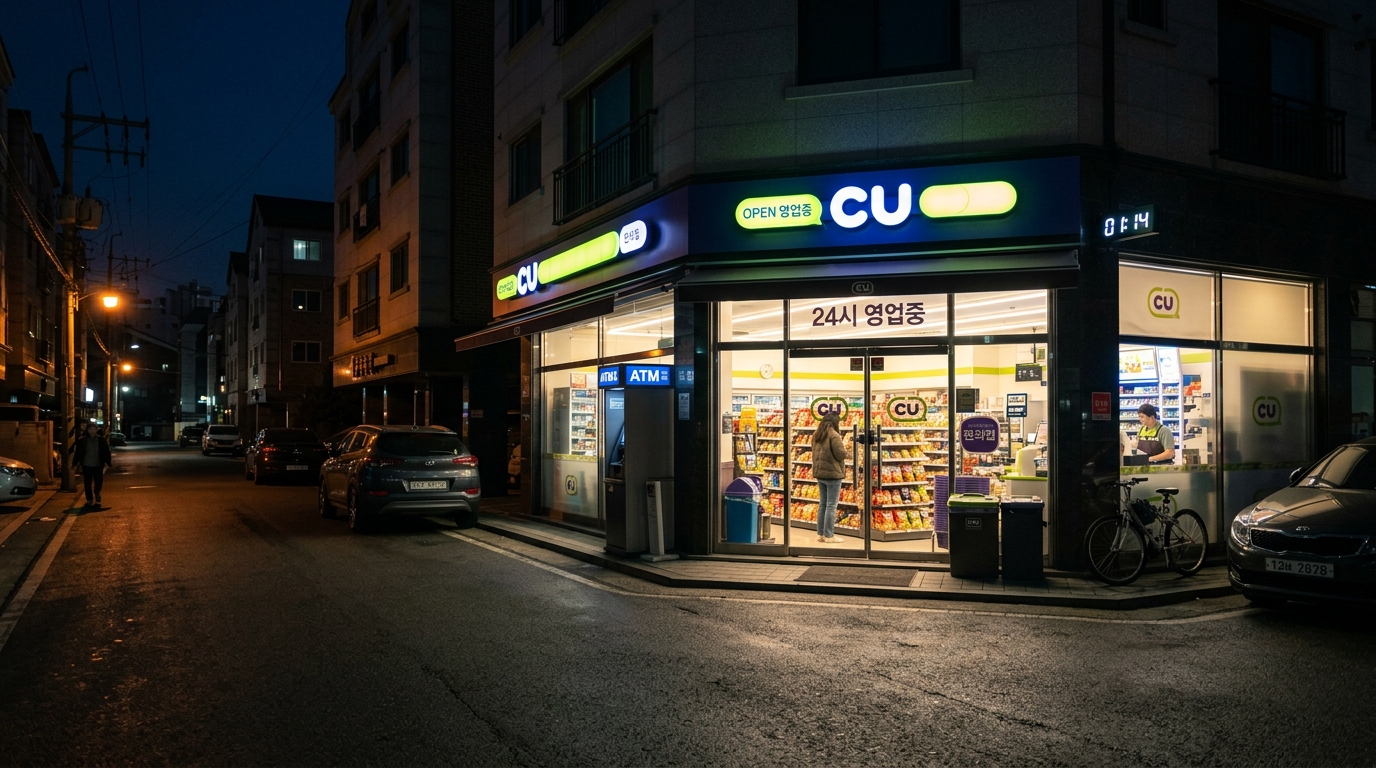
- Trust your instincts. If a situation feels off, it probably is — and the high density of convenience stores (open 24 hours) means there is almost always a lit, staffed refuge within one or two minutes of wherever you are.
What You Need to Know
The overall safety picture is genuinely good — and the difference from other major cities is meaningful. Pickpocketing, endemic in tourist areas of Paris, Barcelona, and Rome, is rare in Seoul. Bag-snatching is extremely uncommon. Travelers accustomed to keeping one hand on their bag in crowded European metro stations often find Seoul's subway noticeably more relaxed. Compared to Tokyo — the other city most often cited in the same breath for safety — Seoul is broadly comparable, with slightly more active nightlife and a somewhat younger street culture. Both sit well above most North American and European cities on standard safety indices.
Being a foreigner does not make you a target. Unlike some tourist-heavy cities, Seoul does not have a culture of scams or crimes specifically targeting foreign visitors. The tourist-oriented fraud you might encounter (overpriced taxis, fake goods) is opportunistic and minor, not threatening.
Alcohol is visible but not chaotic. Koreans drink — often outdoors, at pojangmacha tents, Han River parks, and convenience store forecourts. Public drunkenness is common on weekend nights, but confrontational or aggressive drunken behavior directed at strangers is not a characteristic of Korean drinking culture.
Emergency services are responsive and professional. Police response times in Seoul are fast. Incheon International Airport, major transit hubs, and tourist districts all have visible security presence.
Practical Tips
- Walk confidently and stay on main roads after midnight. Seoul rewards the traveler who stays in lit, populated areas — which cover the vast majority of where you'd want to be anyway.
- Download Kakao T before your trip. Use it for all late-night taxi trips. The app has English mode and eliminates the uncertainty of street hailing.
- Use convenience stores as safe havens. GS25, CU, and 7-Eleven are open 24 hours and staffed throughout the night. If you feel uneasy, step inside.
- Avoid Itaewon on peak weekend nights if crowds make you uncomfortable. The area is not dangerous, but dense late-night crowds in any city require more situational awareness.
- Keep your phone charged. Seoul's subway stations and many convenience stores have free charging stations. A low battery at 2am limits your options unnecessarily.
- If you're on the Han River at night, stay in the main lit park areas. The parks are safe but large — isolated riverbank sections away from main pavilions and cycling paths are best avoided late at night.
- Learn the women-only subway car markings. Cars 1 and 10 on most lines, marked with pink signage on the platform. Not necessary, but an option during peak hours if preferred.
- For night jogging or late exercise, stick to CCTV-monitored routes. Han River cycling paths, Cheonggyecheon stream walkway, and major park perimeters are well-lit and camera-covered. These routes are used by local residents for night runs regularly — you will not be alone. Use the Anshimi app (안심이) for CCTV-guided safe route suggestions if you are in an unfamiliar area.
Frequently Asked Questions
Is Seoul safe for solo female travelers at night? Yes. Seoul is widely considered one of the safest cities in Asia for solo female travelers. The combination of low violent crime, high pedestrian density in commercial areas, and a strong bystander culture makes late-night walking significantly safer than in most major Western cities. The main precaution is staying in well-lit main streets and using app-based taxis rather than hailing from the street.
Is public transport safe in Seoul at night? The Seoul Metro runs until approximately 1am on weekdays and slightly later on weekends. It is safe, well-monitored, and staffed throughout operating hours. After the metro closes, Kakao T (taxi app) and night buses cover most of the city. Women-only subway cars (cars 1 and 10) are available during peak hours for added comfort.
What areas should tourists avoid at night in Seoul? No area of Seoul requires outright avoidance. The areas that warrant slightly more awareness are Itaewon on busy weekend nights (large crowds, alcohol) and isolated alleyways in any district after midnight. Cheongnyangni and parts of Yeongdeungpo have historically had red-light district activity on specific blocks — staying on main roads resolves this immediately.
Is Seoul safer than Tokyo at night? Both cities are among the safest in the world and are broadly comparable in practice. Tokyo is often cited as slightly quieter and more orderly; Seoul has a more active late-night street culture, particularly in nightlife districts. Neither city presents meaningful safety concerns for cautious travelers walking at night.
Is it safe to walk in Seoul at 1am? Yes, in most commercial and residential neighborhoods. At 1am, Hongdae, Gangnam, Sinchon, and Myeongdong still have pedestrian traffic, open convenience stores, and taxi activity. The Seoul Metro closes around 1am, so foot traffic increases slightly near major stations as people transition to taxis or night buses. Walking home from a late dinner or bar at 1am is routine for Seoulites and tourists alike.
Can a solo female traveler walk alone at night in Seoul? Yes — and this is one of the most frequently asked questions for a reason. Solo female travelers consistently report Seoul as one of the most comfortable cities in Asia for walking alone after dark. The density of people in commercial areas, the visibility of CCTV, the culture of bystander intervention, and the low rate of stranger-initiated confrontation all contribute to this. The practical precautions are the same as any major city: stay on main roads, use app taxis, keep your phone charged.
Is Seoul safe at night compared to European cities? By most standard metrics, yes — significantly safer for street-level crime. Pickpocketing rates in major European tourist cities (Paris, Rome, Barcelona, Prague) are substantially higher than Seoul. Violent crime and mugging targeting pedestrians are more common in many European capitals than in Seoul. Travelers who are accustomed to holding bags tightly in European cities often comment on how relaxed Seoul feels by comparison.
Related Questions
- Is Korea Safe for Solo Female Travelers? — A broader guide to solo female travel across Korea, beyond just nighttime safety.
- How to Get Around Seoul — Subway, Taxi, and Bus Guide — Transport options across the city, including late-night services.
- Can You Drink Alcohol on the Street in Korea? — Public drinking culture at Han River, pojangmacha, and convenience store seating explained.