Is Tap Water Safe to Drink in Korea? (Seoul & Beyond)

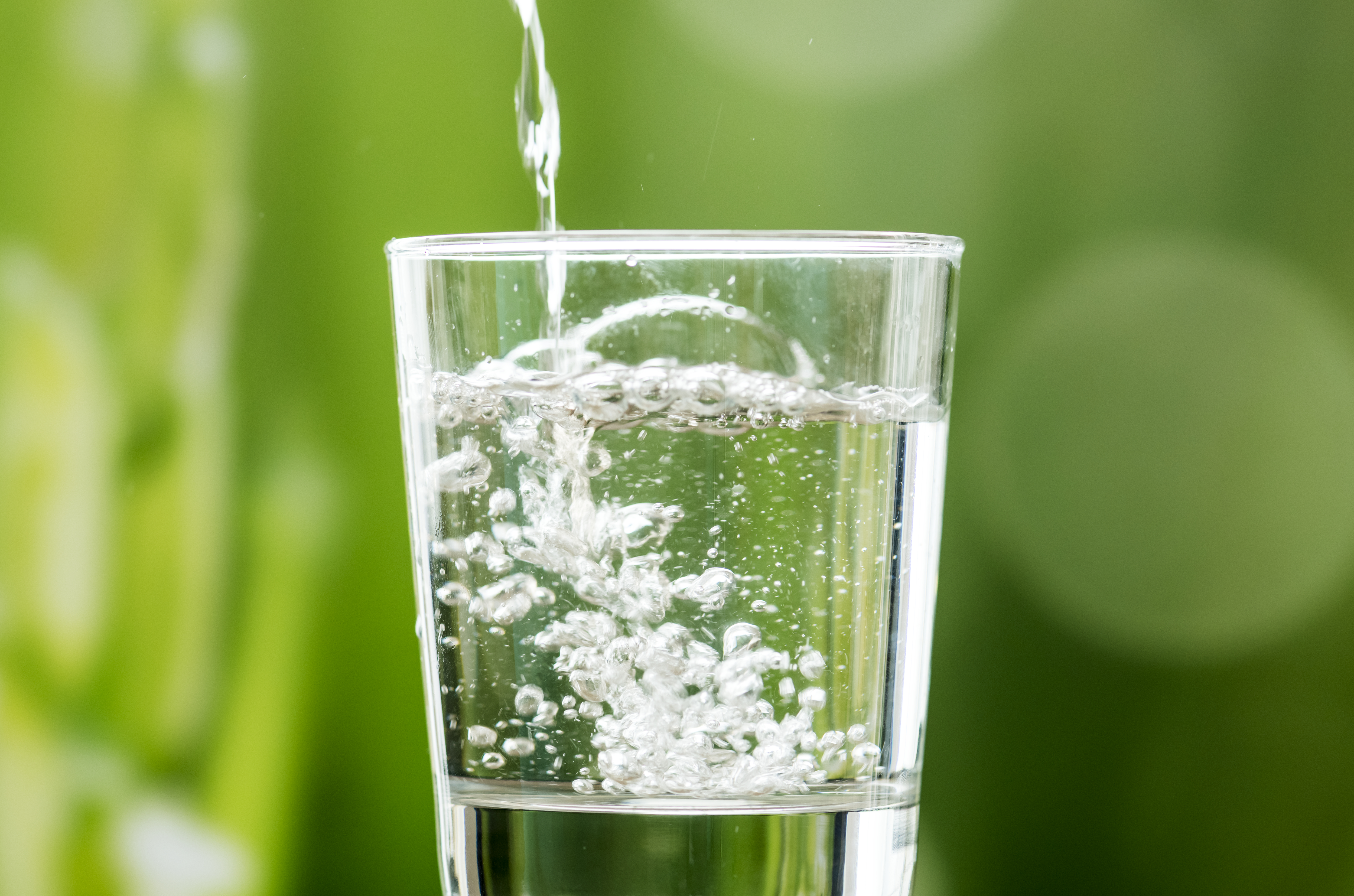
Photo by Markus Winkler on Unsplash
One of the first questions travelers ask before visiting Korea — especially those who have traveled through other parts of Asia where tap water is not safe — is whether they can drink straight from the faucet. The answer is simpler than most people expect.
Quick Answer
Yes, tap water in Seoul and most major cities in South Korea is safe to drink directly from the tap for most travelers. South Korea's water infrastructure meets World Health Organization (WHO) standards, and Seoul's tap water undergoes rigorous testing across an extensive network of monitoring stations throughout the city.
That said, most Koreans don't drink it — not because it's unsafe, but because of taste preferences and a deep-rooted bottled water culture. As a traveler, you can drink it freely without concern.
The Full Answer
Seoul's Water Quality: What the Numbers Say
Seoul's tap water — marketed by the city as "Arisu" (아리수) — is processed through six large-scale water purification plants fed by the Han River. The water goes through multi-stage filtration including sand filtration, activated carbon filtration, and UV disinfection before reaching households.
The Seoul Metropolitan Government publishes real-time water quality data at Arisu's official site and has consistently met or exceeded WHO drinking water guidelines for over two decades. In taste tests conducted by the Seoul city government, Arisu has scored comparably to major commercial bottled water brands.
Key water quality indicators tested regularly: - Turbidity: Well within safe limits year-round - Chlorine residual: Maintained at levels required for safety but below taste threshold - Heavy metals (lead, arsenic, mercury): All below WHO maximum contaminant levels - Bacteria and coliform: Consistently non-detected in distribution tests
Why Koreans Don't Drink Tap Water Despite It Being Safe
If you visit a Korean household or office, you will almost certainly see a water purifier (정수기, jeongsugi) — a countertop or under-sink filtration unit — rather than glasses filled straight from the tap. This is not because Koreans distrust the water supply. It's a combination of factors:
Old pipe infrastructure in older buildings. While the water leaving the purification plant is safe, older apartment buildings (particularly those built before the 1990s) sometimes have aging internal plumbing. Water can pick up metallic tastes or trace contaminants from old pipes between the street main and the faucet. In newer buildings this is not an issue — but in older neighborhoods, run the tap for 2–3 minutes first thing in the morning before filling a glass. This clears any stagnant water sitting in the internal pipes overnight and is the standard precaution even for residents in older buildings.
Taste preference. Even when safe, chlorinated municipal water has a distinct taste that many Koreans simply don't prefer. Filtered or bottled water tastes cleaner to a palate accustomed to it.
Marketing and habit. The bottled water industry in Korea is enormous, and decades of marketing have made bottled water the default choice for many households regardless of tap water quality.
The practical upshot for travelers: In a hotel, guesthouse, or newer building — which describes virtually all traveler accommodation — the tap water is safe to drink without hesitation.
Water Outside Seoul: Is It the Same?
The short answer is yes — all major Korean cities (Busan, Incheon, Daegu, Daejeon, Gwangju) operate water treatment facilities that meet national standards equivalent to Seoul's. Korea's water infrastructure is uniformly modern, unlike some countries where water quality varies drastically between cities.
Rural and mountain areas: In very remote rural areas or when drinking from mountain springs and streams (which hikers sometimes do on trails like Bukhansan or Seoraksan), the water quality is less certain. Korean hikers generally bring their own water rather than drinking from natural sources directly.
Islands: Jeju Island has its own water supply fed by underground volcanic aquifers — often cited as some of the purest water in Korea. Tap water on Jeju is considered excellent quality.
What You Need to Know
Boiled Water Culture
Many Korean restaurants and cafés serve cold filtered water or barley tea (보리차, boricha) automatically when you sit down — this is free and refilled without asking. Some traditional restaurants serve warm barley tea instead of cold water, particularly in winter. You won't need to order water in most sit-down restaurants.
Convenience stores and cafés provide free cold water dispensers (냉수기) near the counter in many locations — particularly CU, GS25, and 7-Eleven stores. You can fill any bottle for free.
Hotel Room Tap Water
In Seoul hotels (including budget hotels, guesthouses, and hostels in newer buildings), drinking from the bathroom tap is fine. Many hotels also provide a kettle in the room, which Korean guests typically use to boil water before drinking — habit rather than necessity.
Some upscale hotels provide bottled water in the room as a courtesy. This is a hospitality gesture, not a signal that the tap water is unsafe.
Hot Water and Korean Public Facilities
Korean subway stations, train stations, airports, and government buildings commonly have hot and cold water dispensers (온수기/냉수기) in waiting areas — typically free to use. Incheon Airport has multiple free water stations throughout the terminal, making it easy to refill a bottle after passing security.
Traditional markets (Gwangjang, Namdaemun, Mangwon) have variable water access — bring a bottle or use convenience store dispensers nearby.

Buying Bottled Water in Korea
If you prefer bottled water, it's widely available and inexpensive:
- 500ml bottle: ₩700–1,200 at convenience stores (GS25, CU, 7-Eleven)
- 2-liter bottle: ₩1,200–1,800 at convenience stores or supermarkets
- Supermarket bulk: ₩3,000–5,000 for 6-pack of 500ml bottles
Major Korean water brands: - Samdasoo (삼다수): From Jeju Island's volcanic aquifer. The most popular brand in Korea. - Icis (아이시스): Lotte brand, widely distributed. - Evian / Volvic / Perrier: Available at larger convenience stores and supermarkets, significantly more expensive (₩2,500–5,000 for 500ml).
Budget tip: Buying water at convenience stores near tourist areas (Myeongdong, Insadong) costs the same as anywhere else — Korean convenience store prices are fixed nationwide. You won't pay a tourist premium for water.
Filtered Water Dispensers in Korean Cafés
Most Korean cafés (including independent and chain cafés like Starbucks Korea) provide a free cold water station near the order counter. This water passes through a café-grade filtration system. Grabbing a cup of cold water before or after ordering is completely standard and expected — no awkwardness, no need to buy something first.
The Practical Reality for Travelers
In your hotel or guesthouse: Drink from the tap without concern in any building constructed after the mid-1990s — which includes virtually all hotels and guesthouses marketed to travelers. If you're staying in a very old building and you're uncertain, run the tap for 2–3 minutes before filling a glass to clear any stagnant water from internal pipes.
When hiking: Bring your own water. Don't drink from streams or springs without treatment, even on popular trails.
At restaurants: Free water or barley tea will be served automatically. No need to buy water with meals in Korean restaurants.
At airports and stations: Use the free dispensers. Refill your bottle before boarding trains or flights.

Photo by Jonathan Cosens Photography on Unsplash
Practical Tips
-
Bring a reusable bottle. Free water is everywhere in Korea — subway stations, cafés, convenience stores, parks. A reusable bottle saves money and reduces plastic waste. Korea has become increasingly conscious of single-use plastic.
-
Use convenience store free dispensers. CU, GS25, and 7-Eleven stores often have cold water available free near the checkout — look for the 냉수기 (cold water dispenser) sign or unit near the counter.
-
Don't buy overpriced water at tourist sites. Water near major attractions (Gyeongbokgung, N Seoul Tower, tourist areas) costs the same at the nearest convenience store as anywhere else in Korea. Walk 100 meters from the tourist entrance and prices drop dramatically.
-
Barley tea is your friend. The free tea served in Korean restaurants (boricha) is mild, barely caffeinated, and hydrating. Drink it freely — refills are always available.
-
For long train journeys (KTX): Buy water at the station convenience store before boarding. KTX trains have vending machines on board but at higher prices. The journey is short enough (Seoul–Busan is 2h20m) that you rarely need more than one bottle.
-
If you have a sensitive stomach: Stick to bottled or filtered water for the first two days of your trip — not because Korean tap water is unsafe, but because any change in water source (even moving between cities with identical water quality) can occasionally cause mild digestive adjustment in some travelers.
-
Hot water in winter: Korean restaurants and cafés switch to warm barley tea in winter months. If you want cold water, ask for 찬물 (chanmul) — cold water. It's always available.
Related Questions
- Do you need cash in Korea or is card OK everywhere? — A guide to payment methods that actually work across different types of Korean businesses.
- How to use the Seoul subway as a foreigner — Step-by-step transit guide including T-money cards, apps, and late-night options.
- Best Korean convenience store food to try — Beyond just water: the full guide to eating well from Korean convenience stores.