Korean Baseball Guide 2026: How to Watch a KBO Game Like a Local
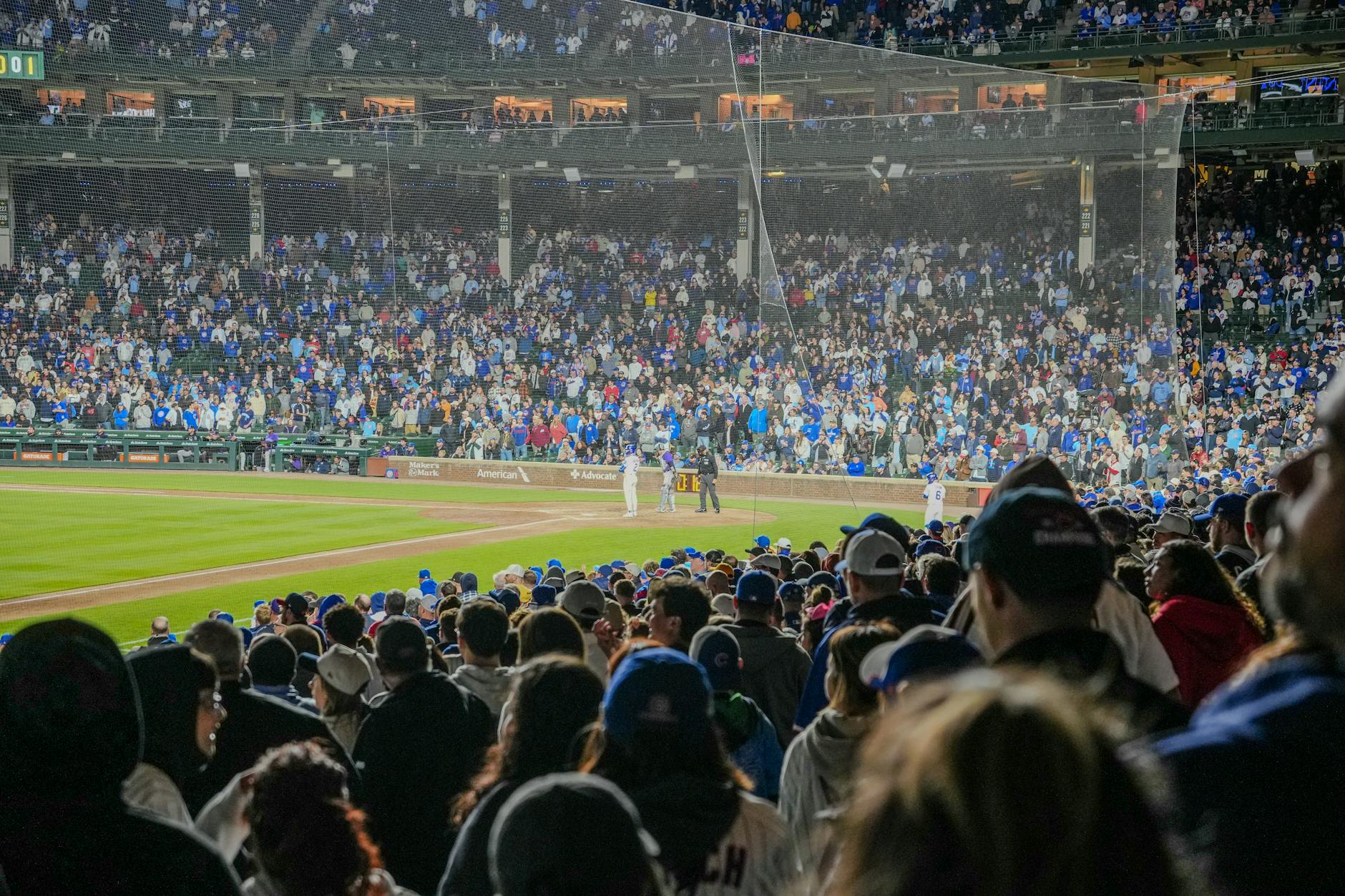
Photo by Francisco Sanchez on Pexels
Updated for April 2026
Watching a Korean Baseball Organization (KBO) game is one of the most underrated travel experiences in Korea. The sport itself is secondary to the atmosphere: the synchronized cheer songs, the vendors walking the aisles with beer backpacks, the fried chicken and tteokbokki eaten in the stands, the cheerleaders on the dugout roofs, the entire crowd knowing every word to every team's fight songs.
Korea has been mad about baseball since the 1980s, and the KBO stadium experience is louder, more choreographed, and more sociable than almost any sporting event you've attended elsewhere. For a traveler, it's a window into a genuinely local Korean enthusiasm — and a great evening for around ₩10,000–20,000.
⚾ Understanding the KBO
The Korean Baseball Organization (KBO League) is Korea's top professional baseball league, founded in 1982. It runs from late March through October, with playoffs in October and the Korean Series (championship) in late October–early November.
10 KBO Teams:
For Seoul visitors: The two main options are Jamsil Baseball Stadium (LG Twins vs. Doosan Bears share the stadium) and Gocheok Sky Dome (Kiwoom Heroes — Korea's only domed stadium).
🎟️ How to Buy Tickets
Online (Recommended)
- Naver (네이버): Search the team name + 티켓 — Naver integrates with official ticketing. Korean account required but manageable with translation.
- Team official websites: Each team sells directly; English may be limited but the seat map is visual.
- Interpark Ticket (인터파크 티켓): ticket.interpark.com — One of Korea's major ticketing platforms with an English interface.
At the Stadium
Walk-up tickets are available at stadium box offices on game day, but popular matchups (especially LG vs. Doosan derbies at Jamsil) sell out. Arrive 1–2 hours early for same-day tickets on a busy night.
Price range: | Section | Price | |---------|-------| | Outfield (외야) | ₩10,000–13,000 | | Bleacher seats | ₩12,000–15,000 | | Reserved infield | ₩15,000–20,000 | | Premium / VIP | ₩30,000–60,000 |
🏟️ The Two Seoul Stadiums
Jamsil Baseball Stadium (잠실야구장)
The classic Korean baseball experience. An open-air stadium from 1982, still atmospheric and loud. Located in Jamsil (잠실) — accessible from Jamsil Station (Lines 2 and 8).
- Capacity: ~25,000
- Home teams: LG Twins (even days) and Doosan Bears (odd days) in a shared schedule
- Food: Full range of Korean stadium food in the concourse and from vendors
- Best for: Authentic old-school stadium atmosphere
Gocheok Sky Dome (고척 스카이돔)
Korea's only enclosed dome stadium — opened 2016, located in Guro. Climate-controlled, so games happen rain or shine. More modern facilities.
- Access: Gocheok Skydom Station (Line 1), or bus from Sinchon/Yeouido
- Capacity: ~16,000
- Home team: Kiwoom Heroes
- Best for: Guaranteed game regardless of weather; more intimate atmosphere
📣 Korean Cheering Culture — What to Expect
Korean baseball cheering is one of the most organized fan experiences in the world. Each team has official cheer songs for every batter — when a player comes up to bat, the entire home section sings their specific song in unison, led by professional cheerleaders on the dugout roofs with microphones.
What this means for visitors: - You don't need to know the songs — just follow the crowd - The energy in the home section during a rally is extraordinary - Sit in the home section for maximum atmosphere (the away section is usually quieter and smaller)
Cheering essentials fans bring: - Plastic thundersticks (막대풍선): Inflatable clappers handed out or sold at the gate — everyone has them - Team merchandise: Jerseys, caps, and cheering towels are sold outside every stadium at inflated prices; buy online in advance if you want official gear cheaper
🍗 Stadium Food: A Highlight in Itself
Korean baseball food culture is part of the experience. Unlike most Western stadiums where you leave your seat to get food, vendors walk the aisles continuously.
What's available: - Beer: Vendors carry massive backpack coolers dispensing draft beer directly into cups — fast, cold, and cheap (₩5,000–7,000) - Fried chicken (치킨): Whole fried chicken delivered to your seat in a box — a Korean stadium staple - Tteokbokki (떡볶이): Spicy rice cakes — the essential Korean snack - Corn dogs (핫도그): Popular with younger fans - Cup ramen: Some stadiums have hot water stations for instant noodles in the stands
Outside food policy: Most Korean stadiums allow you to bring in your own food, which many fans do. Delivery apps (Baemin, Coupang Eats) are used to order chicken to the stadium gates by Korean fans — though this takes coordination.
📍 Getting to Jamsil Stadium
From central Seoul: - Subway: Jamsil Station (Line 2 / Line 8) → Exit 6, 5-minute walk - Bus: Multiple routes stop at Olympic Park / Jamsil area
Nearby: Lotte World Tower is a short walk from Jamsil Station — combine a game with a Seoul Sky visit.
🗓️ When to Go
Season: Late March – October (regular season)
Best months for visiting tourists: April–June and September–October — comfortable temperatures, good atmosphere without summer humidity.
Peak games: LG vs. Doosan derbies at Jamsil are the most atmospheric games — two teams sharing one stadium and a historic rivalry. Book well in advance.
Weekday vs. weekend: Weekday evening games (starting 6:30PM) are less crowded and easier to get tickets for. Weekend afternoon games have more family atmosphere.
❓ Frequently Asked Questions
Q1: Do I need to support a specific team? Not at all — many visitors buy a generic cheering item and sit in whichever section has tickets. That said, sitting in the home team section puts you in the middle of the best cheer atmosphere.
Q2: How long does a KBO game last? Typically 3–3.5 hours. Korean baseball uses a pitch clock to speed up play. Games rarely go past 4 hours.
Q3: Is there English signage at the stadium? Major stadiums have English signs for essential facilities (restrooms, exits, first aid). Food vendor menus may be Korean-only — pointing and showing numbers works fine.
Q4: Can I bring a camera? Yes — personal cameras are permitted. Professional cameras with long lenses may require a media pass. Smartphone photography is completely unrestricted.
Q5: What if it rains? At Jamsil, games are subject to rain delays or cancellation — tickets are refunded or exchanged for a rain-out. At Gocheok Sky Dome, weather is irrelevant.