Best Area to Stay in Busan for First-Time Visitors — Neighborhood Guide 2026
Busan is South Korea's second city and a legitimate travel destination in its own right — not just a day trip from Seoul. With a coastline, mountains, markets, and some of the country's best seafood, it has enough variety to warrant two to four nights. But the city is spread out, and where you sleep will shape what you spend most of your time doing. Here is a practical breakdown of the four main areas where first-time visitors should consider staying.
Quick Answer
The best area to stay in Busan depends on your travel style. Haeundae suits beach-focused travelers who want a resort atmosphere. Gwangalli is better for those who want the same coastal feel with more local character and nightlife. Seomyeon is the most central option — best transport connections, widest price range, and easy access to the whole city. Nampo is the right choice for budget travelers and food seekers who want to explore the historic downtown. Most first-time visitors do well in either Seomyeon or Gwangalli.
The Full Answer
Haeundae — The Beach Area
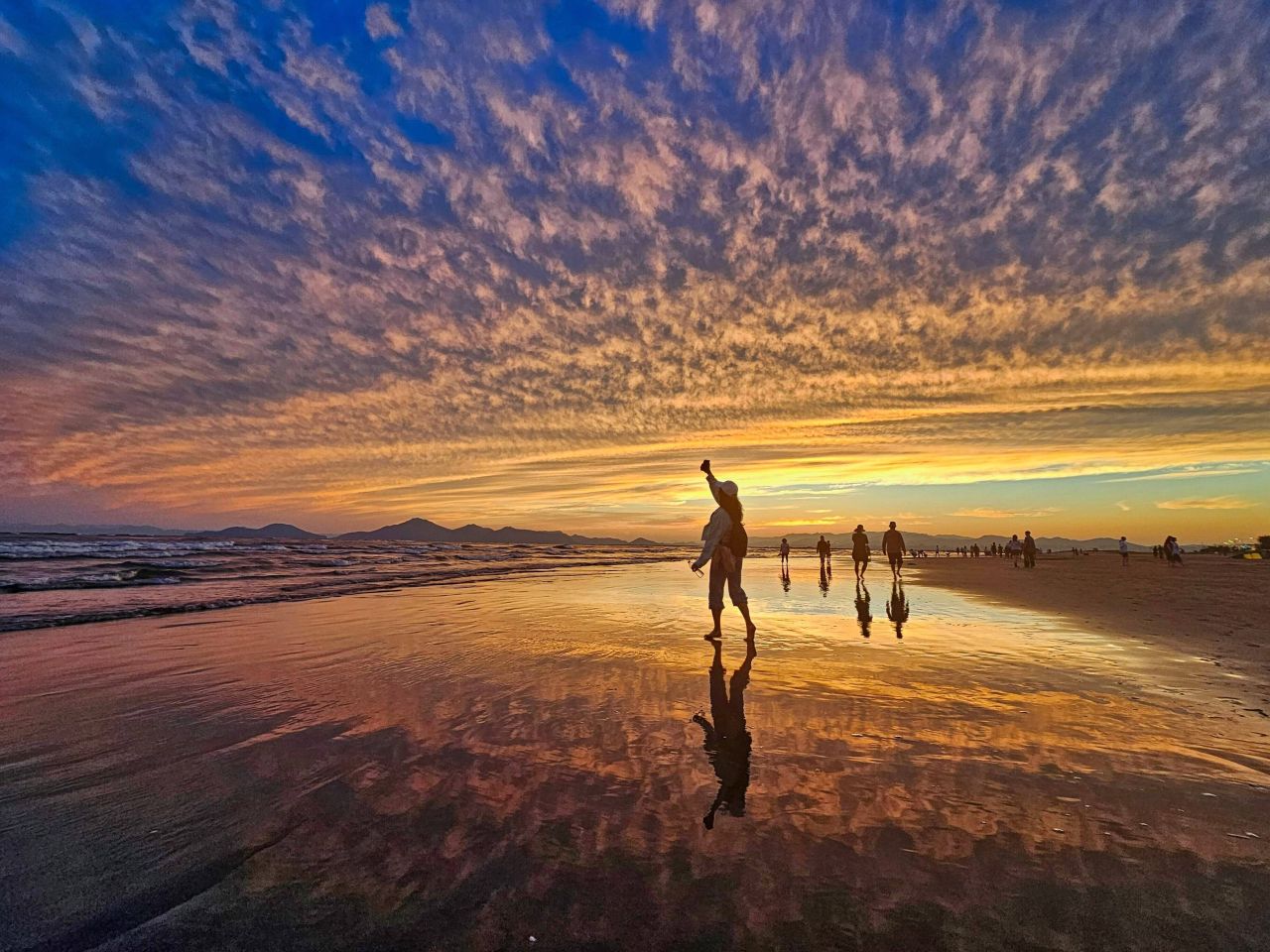
Haeundae is Busan's most famous beach and the area most international visitors picture when they think of the city. The 1.8km stretch of sand fills up in summer (July–August) with crowds that rival any major beach resort in Asia. Outside of peak season, it's far more manageable.
Who it's for: Travelers whose primary goal is the beach. Families, couples, and anyone who wants to be able to walk from their room to the water in under five minutes.
Accommodation price range: Budget guesthouses from around 40,000–60,000 won per night. Mid-range hotels 100,000–180,000 won. Luxury hotels (Westin, Park Hyatt, Signiel) exceed 400,000–600,000 won on weekends.
Transport: Haeundae Station (Metro Line 2, orange). Getting to Seomyeon takes roughly 25–30 minutes by metro; Nampo is around 40–45 minutes depending on connections.
Key considerations: - Most expensive area in Busan, especially beachfront properties - Very tourist-oriented — English menus, convenience stores, familiar chains - Crowded July–August; pleasant April–June and September–October - BEXCO convention center and Shinsegae Centum City (world's largest department store by floor area) are both nearby
Nearby: Dongbaekseom Island (walking distance), Dalmaji Hill (10 min by taxi)

Gwangalli — Beach + Local Nightlife
Gwangalli is the local alternative to Haeundae. The beach is slightly smaller (1.4km), but the view across the water to Gwangan Bridge — which lights up at night — is one of Busan's signature images. The area around Millak neighborhood behind the beach has a dense concentration of restaurants, cafes, and bars that stay busy on weeknights, not just weekends.
Who it's for: Travelers who want a beach location but prefer a younger, less touristy atmosphere. Good for solo travelers and those who plan to spend evenings out.
Accommodation price range: 35,000–50,000 won for guesthouses. Mid-range hotels 80,000–150,000 won. Slightly cheaper than Haeundae on average.
Transport: Gwangan Station or Millak Station (Metro Line 2). Same line as Haeundae — easy connection in either direction.
Key considerations: - Gwangan Bridge view is best from cafes and rooftop bars along the beach road - More independent restaurants and local bars than Haeundae - Fewer luxury hotels — mostly mid-range and guesthouses - Less crowded in summer than Haeundae despite similar beach quality
Nearby: Millak Raw Fish Center (fresh seafood at wholesale prices), Mangmi Hanul Park (city views)
Haeundae vs. Gwangalli — the practical difference: Both sit on Metro Line 2 and offer beach access, but the on-the-ground experience is distinct. Haeundae is wider (1.8km vs. 1.4km), more international, and built for tourist volume — English menus, luxury hotel brands, and familiar chains line the beach road. Gwangalli is more compact: independent cafes, live music bars, and seafood spots fill the streets behind the sand, and the view of Gwangan Bridge illuminated at night is something Haeundae cannot offer. Haeundae fits families, luxury stays, or peak summer visits; Gwangalli is the stronger pick for most independent travelers.
Seomyeon — The Transport Hub
Seomyeon is not a beach neighborhood. It is Busan's commercial center — the intersection of Metro Lines 1 and 2, surrounded by department stores, underground shopping malls, restaurants on every block, and good-value accommodation. If you want to visit multiple parts of Busan without spending half your day on transport, staying in Seomyeon makes everything easier.
Who it's for: First-time visitors who plan to see the full city — not just the beach. Business travelers. Anyone whose priority is access over atmosphere.
Accommodation price range: Widest range of any area. Budget guesthouses from 28,000–40,000 won. Mid-range hotels 70,000–130,000 won. Business hotels with good facilities at 80,000–120,000 won are common.
Transport: Seomyeon Station (Metro Lines 1 + 2 intersection). Haeundae is roughly 25–30 minutes away; Nampo is around 15 minutes; Busan Station is about 10 minutes on Line 1.
Key considerations: - No beach — requires about 25–30 minutes to reach either Haeundae or Gwangalli by metro - Best balance of transport access and accommodation value in the city - Lively at night without being as loud as Gwangalli - Large underground mall (Seomyeon Underground Shopping Center) and Lotte Department Store - KTX travelers arriving at Busan Station can reach Seomyeon in 2 metro stops
Nearby: Bujeon Market (local food market), Jeonpo Cafe Street (Busan's coffee district)
Nampo and BIFF Square — Markets, Food, and Old-Town Character
Nampo is where Busan's history is most visible and its street food culture is most concentrated. The area around Nampo Station (Line 1) includes BIFF Square — the permanent outdoor venue of the Busan International Film Festival — as well as Gukje Market (a sprawling traditional market), Jagalchi Fish Market (Korea's largest seafood market), and Bupyeong Kkangtong Market. The atmosphere is older and more chaotic than the other neighborhoods on this list, which is part of the appeal for travelers looking for a less polished, more lived-in version of Busan.
Who it's for: Foodies, market explorers, and travelers who want the older, more lived-in side of Busan. Accommodation here also tends to be cheaper than the beach areas, though the neighborhood's character — not the price — is the stronger reason to choose it.
Accommodation price range: Often among the lowest room rates in Busan. Guesthouses from 22,000–38,000 won, though some facilities are older. Mid-range hotels 60,000–100,000 won.
Transport: Nampo Station (Metro Line 1). One stop from Jagalchi Station. Getting to Haeundae takes about 40–50 minutes depending on transfers.
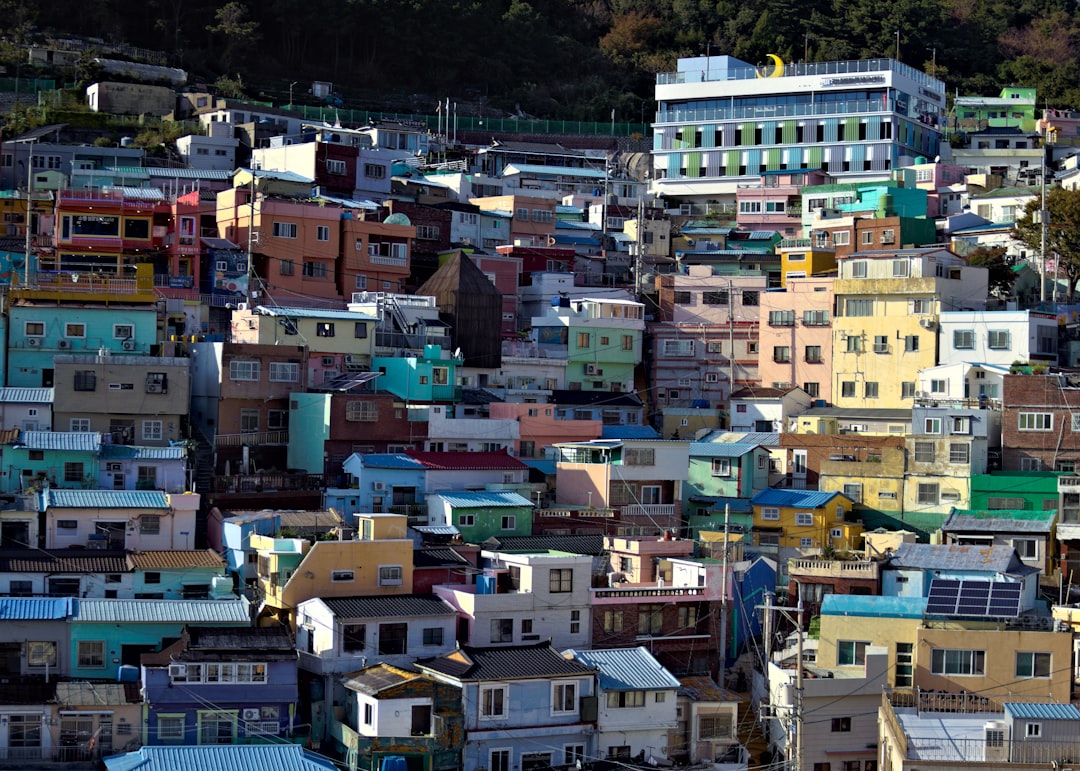
Key considerations: - Gamcheon Culture Village (Busan's colorful hillside neighborhood) is accessible from Toseong Station, one stop away on Line 1 - Jagalchi Fish Market: fresh seafood, open-air stalls, best visited in the morning - BIFF Square: star handprints, street food stalls, film festival atmosphere year-round - Area can feel congested; streets are older and less polished - Ideal base for exploring Yeongdo Island and the Taejongdae cliffs by bus
Area Comparison at a Glance
What You Need to Know
Busan is not a walkable city between neighborhoods. Unlike central Seoul, the four areas above are spread across the city and not easily connected on foot. The metro is reliable and cheap (1,500–2,000 won per ride), but if you're staying in Haeundae and want to visit Jagalchi Fish Market, plan for a 40-minute commute each way. This is why your choice of neighborhood matters more in Busan than in Seoul.
Summer (July–August) changes everything in Haeundae and Gwangalli. Prices double or triple, beach crowds are intense, and accommodation books out weeks in advance. Outside of that window, both beach areas are genuinely pleasant and often underpriced.
The KTX arrives at Busan Station, not in any of these neighborhoods. Busan Station is on Metro Line 1, two stops from Seomyeon and 8 stops from Nampo. From the KTX, Seomyeon is the most convenient base — you're there in under 10 minutes from arrival.
Busan has excellent seafood — your accommodation area affects where you eat it. Jagalchi Market in Nampo is the most famous seafood destination and worth visiting from anywhere in the city. But Millak Raw Fish Center near Gwangalli offers comparable quality with slightly lower tourist markup and a more local atmosphere — worth knowing if you're already based on that side of the city.
Practical Tips
- Arriving by KTX: Step off at Busan Station and take Line 1 directly to Seomyeon (2 stops, about 10 minutes) — the fastest way to get oriented. From Seomyeon you can reach every other neighborhood in the city.
- First-time in Busan with limited time (2 nights): Stay in Seomyeon. You can reach every major attraction without planning around transport, and the accommodation value is strong.
- Coming specifically for the beach: Stay in Gwangalli over Haeundae unless budget is not a concern. Similar beach access, different atmosphere — independent cafes, bars, and the Gwangan Bridge view at night.
- Visiting July–August: Book accommodation at least 3–4 weeks in advance regardless of neighborhood. Beach-area prices rise sharply and availability drops fast.
- Visiting Gamcheon Culture Village: Take Line 1 to Toseong Station (one stop from Nampo). It's a steep uphill walk from there — arrive early morning before tour groups fill the narrow lanes.
- T-money card works on Busan Metro. The same card you use in Seoul works on all Busan Metro lines and city buses. No separate card needed.
- Check Korean accommodation apps. Yanolja and Goodchoice (여기어때) often list Busan guesthouses not available on international booking platforms, sometimes at meaningfully lower rates.
Frequently Asked Questions
Is Haeundae safe for solo travelers? Yes. Haeundae is one of the safer areas in Busan, with strong CCTV coverage and police presence, especially during beach season. The main beach road is busy until late at night. Solo travelers, including solo women, report feeling comfortable here. Gwangalli and Seomyeon are equally safe.
How long does it take to get from Seoul to Busan? By KTX (high-speed rail) from Seoul Station, Busan takes approximately 2 hours 15 minutes to 2 hours 40 minutes depending on the train type. Tickets cost around 59,800 won standard class. Budget airlines (Jeju Air, T'way, Jin Air) fly Gimpo–Gimhae in about 1 hour, sometimes cheaper if booked in advance.
Is Busan worth visiting for more than a day trip from Seoul? Yes, significantly so. A day trip from Seoul to Busan (4–5 hours of round-trip travel) leaves only 4–5 hours in the city. To properly visit Jagalchi Market, a beach, Gamcheon, and Gwangalli, two to three nights is the realistic minimum. Busan rewards slower visits.
What is the cheapest area to stay in Busan? Nampo has the lowest room rates — guesthouses from around 22,000–28,000 won per night. However, the older facilities and greater distance from Haeundae and Gwangalli mean that Seomyeon often represents better overall value despite slightly higher room rates.
Is Gwangalli better than Haeundae? For most independent travelers visiting outside peak summer season, yes. Gwangalli has a comparable beach, better local restaurant and bar options, the Gwangan Bridge view at night (unique to this area), and lower prices. Haeundae has more luxury hotel options and a slightly wider beach, but is more crowded and expensive.
Related Questions
- How Much Does a Week in Korea Cost for a Budget Traveler? — Budgeting for accommodation, food, and transport across Korea including Busan.
- Do You Need Cash in Korea or Is Card OK Everywhere? — Payment options at Busan markets and restaurants, including Jagalchi Fish Market.
- Is Korean Food Always Spicy? What to Eat If You Can't Handle Heat — Planning your food stops in Busan? Start here before you book your neighborhood.
Once you have decided where to stay, the next step is knowing how to get there. Busan is roughly 2.5 hours from Seoul by KTX — and the train is usually the best option. Read more in our guide on getting from Seoul to Busan by train, flight, and bus (coming soon).