Best Beaches in Jeju Island — A Guide to the Island's Coastline
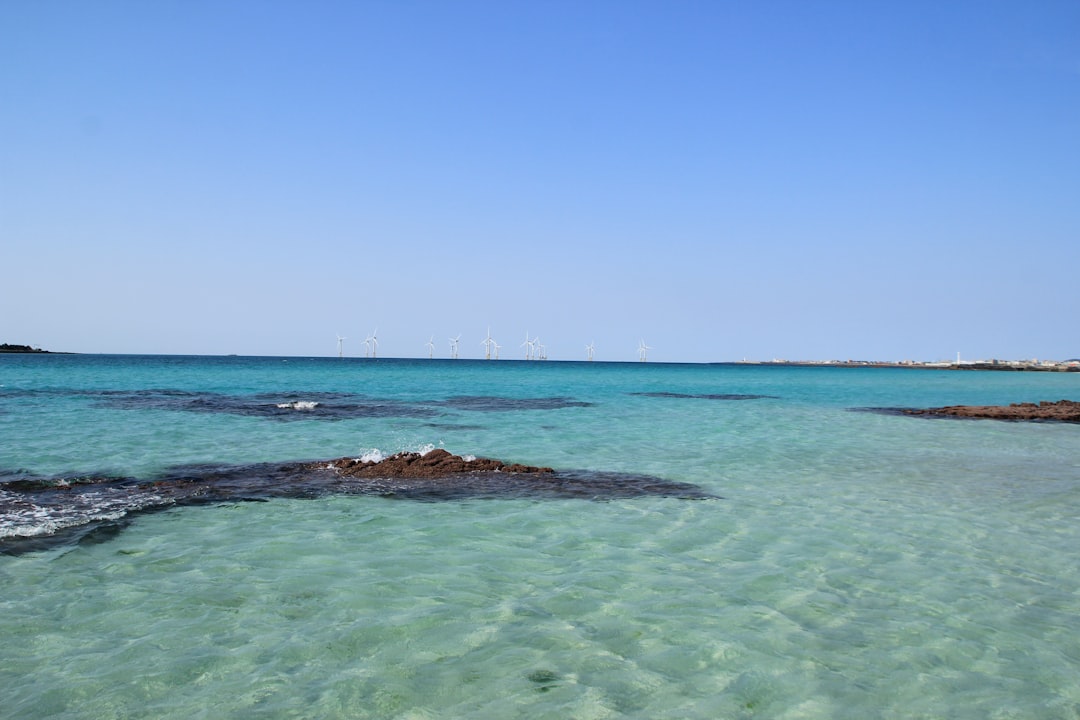
Photo by GWANGJIN GO on Unsplash
Quick Answer
Jeju's best beaches are spread across all four coasts. Hamdeok (함덕) on the northeast and Hyeopjae (협재) on the west are the two most consistently recommended for clear turquoise water. Woljeong-ri (월정리) on the east coast is popular for its shallow water and beachfront cafes. Jungmun Saekdal (중문색달) on the south coast has stronger waves suited to surfing. All are accessible by car; some are reachable by bus.
The Full Answer
Jeju's coastline is formed by volcanic rock, white sand, and water that turns a particular shade of turquoise in shallow areas — a combination that surprises most visitors who arrive without strong expectations about beaches. The island's beaches are not identical to each other: water clarity, sand type, crowd levels, and surrounding amenities vary considerably depending on which coast you visit and when.
The main beach season runs from late June through August. Outside this window, the beaches are accessible and often quiet, but water temperatures drop significantly after September.
1. Hamdeok Beach (함덕해수욕장) — Northeast Coast
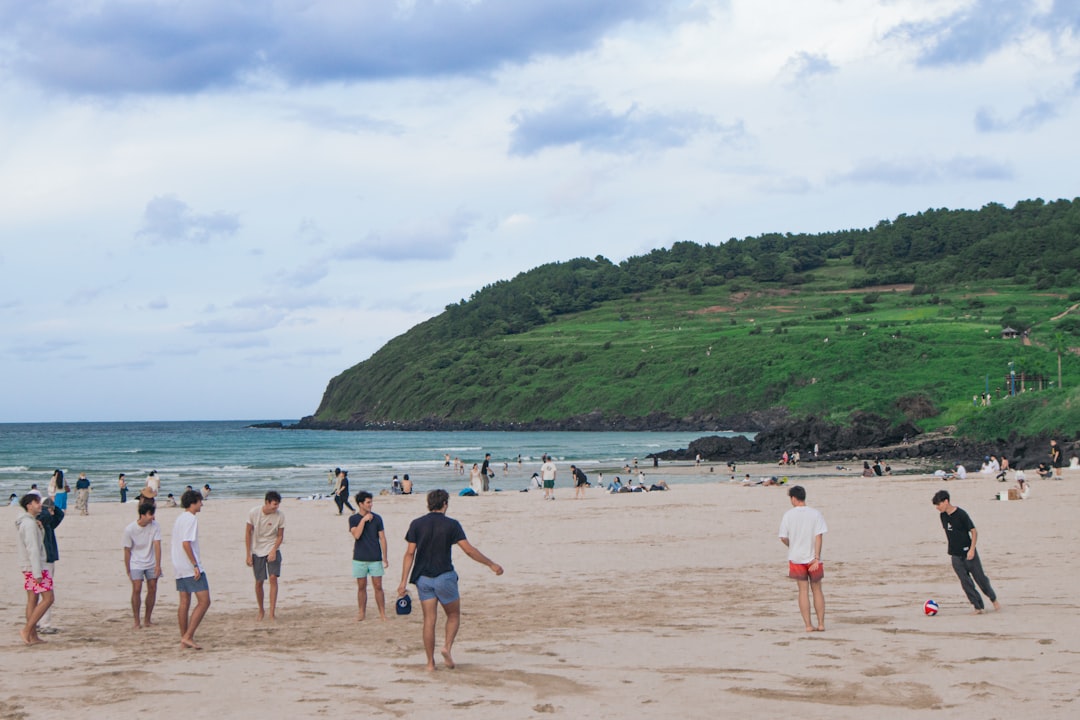
One of the most popular beaches on the island and consistently the first recommendation for first-time visitors. The water at Hamdeok is shallow and unusually clear — the green-blue color is visible from the road above. A rocky outcrop on the western end of the beach creates a partially sheltered bay, making it calmer than ocean-facing beaches.
The beach is approximately 25km east of Jeju City — about 35 minutes by car or accessible by bus (Line 701). The surrounding area has restaurants, cafes, and convenience stores within walking distance.
Best for: First-time visitors, families, anyone who wants clear water close to Jeju City. Crowd level: High in July–August. Manageable in June and September.
2. Hyeopjae Beach (협재해수욕장) — West Coast
Often considered the clearest water on the island. On calm, sunny days, Hyeopjae's combination of white sand and shallow depth produces a turquoise color that photographs well and looks even better in person. On clear days, Biyangdo Island (비양도) is visible directly offshore — a small volcanic island about 5km out that adds an unusual backdrop.
The beach is on the west coast near Hallim, approximately 35km from Jeju City. The area has a larger resort and accommodation cluster than most Jeju beaches.
Best for: Water color, photography, calm swimming. Note: Sunset from the west coast here is worth staying for if your schedule allows.
3. Woljeong-ri Beach (월정리해수욕장) — East Coast
Woljeong-ri is shallower and calmer than Hamdeok, with a row of cafes and restaurants directly behind the beach — a setup that has made it one of the most photographed stretches of coastline on the island. The water is clear and the sandy bottom stays shallow for a long distance out, making it comfortable for wading.
The beach itself is smaller than Hamdeok or Hyeopjae. What draws people is the combination of the water and the cafe strip, which runs parallel to the shore. It is the most social of Jeju's beaches — less about swimming, more about sitting with coffee and watching the water.
Best for: A relaxed afternoon, the beach cafe experience, photography. Where: East coast, near Gimnyeong. About 40km from Jeju City.
4. Iho Teu Beach (이호테우해수욕장, also called Iho Tewoo Beach) — Northwest, Near Jeju City
The closest beach to central Jeju City — approximately 5km west of the city center, accessible by bus. It is recognizable by the two horse-shaped lighthouses at the water's edge, which have become a minor landmark.
The water at Iho Teu is not as clear as Hamdeok or Hyeopjae. Its main advantage is proximity: if you are based in Jeju City without a car and want to reach a beach quickly, Iho Teu is the practical choice. The beach is also used for kitesurfing when conditions allow.
Best for: Travelers without a car based in Jeju City. Quick access, not the island's best water. Transport: Bus from Jeju City center, approximately 20 minutes.
5. Jungmun Saekdal Beach (중문색달해수욕장) — South Coast
The largest beach on the island and the one most suited to surfing. Jungmun receives stronger swells than the calmer northern and western beaches — the break is consistent enough to support surfing schools, which operate on-site during peak season and cater primarily to beginners and intermediate surfers. The beach is also wider and longer than most Jeju beaches.
Jungmun is near the major resort cluster on the south coast, which means it has the most developed infrastructure — hotels, restaurants, and tourist facilities — of any Jeju beach. This also means it is less quiet.
Best for: Surfing, travelers staying in the Jungmun resort area. Surf schools: Multiple operators on the beach; a beginner lesson typically runs 50,000–70,000 KRW (as of 2026).

6. Gwakji Beach (곽지해수욕장) — West Coast
A quieter alternative to Hyeopjae, located a few kilometers north on the same west coast. Gwakji has clear water and a natural freshwater spring at the southern end of the beach — locals use it to rinse off after swimming. The beach faces west, making it one of the better spots on the island for watching the sun drop into the water.
Less crowded than Hyeopjae, with fewer facilities nearby. It rewards visitors who are willing to drive slightly further for a quieter stretch of beach.
Best for: Sunset, less crowded alternative to Hyeopjae.
7. Sehwa Beach (세화해수욕장) — East Coast
A small, quiet beach on the northeast coast near the village of Sehwa. The water is calm and clear, and the beach itself is rarely crowded even in peak season. The Sehwa Folk Market operates every five days nearby — if the timing aligns with your visit, combining the market with time at the beach makes for a worthwhile half-day.
Best for: Avoiding crowds, combining with the Sehwa market.
What You Need to Know
- Peak season is July–August. Hamdeok and Hyeopjae get genuinely busy during Korean school holidays. June and September offer the same beaches with significantly fewer people and similar water temperatures.
- Most beaches have free entry. Parking lots typically charge 1,000–2,000 KRW per hour (as of 2026). Facilities — showers, changing rooms, locker rentals — are available at the main beaches during peak season only.
- Water temperatures: The west coast (including Hyeopjae) is marginally warmer than the east coast in summer. Comfortable swimming generally runs from late June through early September.
- Jellyfish appear in late summer. August and September see jellyfish at some beaches. Check for warning flags before swimming.
- Car is by far the best way to reach most beaches. Buses serve Hamdeok (Line 701) and Iho Teu from Jeju City, but schedules are infrequent. For Hyeopjae, Woljeong-ri, and Jungmun, a car or taxi is more practical.
Practical Tips
- Visit Hamdeok early morning or late afternoon in peak season. The beach is at its best before 10 AM or after 4 PM — water is calmer and the light is better for the turquoise color.
- Combine Hyeopjae with Gwakji in one afternoon. They are 4km apart on the same west coast road. Hyeopjae for swimming, Gwakji for the sunset.
- At Woljeong-ri, the cafes fill up fast on weekends. Arrive before noon if you want a table with a direct beach view.
- Bring water shoes for Jeju's rocky coastal areas. Several beaches have rocky sections at the entry point. Light water shoes make entering the water easier.
- Jungmun surf lessons book up in July–August. If surfing is a priority, book in advance rather than walking in.
- For car-free travelers, Hamdeok is the best beach option. Bus Line 701 from Jeju City runs regularly and the ride takes about 40 minutes.
- Check the Jeju weather forecast the night before. West coast beaches (Hyeopjae, Gwakji) are affected by westerly winds; east coast beaches (Hamdeok, Woljeong-ri) tend to be calmer in most wind conditions.
Frequently Asked Questions
What is the best beach in Jeju? Hamdeok and Hyeopjae are the two most recommended by regular visitors. Hamdeok is better for families and easier to reach from Jeju City. Hyeopjae has the clearest water on the island and the view of Biyangdo Island offshore. Woljeong-ri is the choice if the beach cafe atmosphere matters as much as the swimming.
Which Jeju beaches have the clearest water? Hyeopjae consistently has the clearest, most turquoise water — it is the benchmark. Hamdeok and Woljeong-ri also have clear water in good conditions. Iho Teu and Jungmun have more turbidity due to higher surf.
Can you swim at Jeju beaches in October? Water temperatures in October drop to approximately 20–22°C — cool but swimmable for most people with some tolerance for cold water. The beaches are open and uncrowded. Official lifeguard services end after the peak season, typically in late August.
Are Jeju beaches free? Beach access is free. Facilities such as showers, changing rooms, and beach umbrella or chair rentals charge separately. Parking at most beaches costs 1,000–2,000 KRW per hour (as of 2026).
Is Jeju good for surfing? Jungmun Saekdal on the south coast is the primary surfing beach, with consistent swells and multiple surf schools operating in season. Conditions are most reliable in summer. Iho Teu also has occasional surf and hosts kitesurfers.