Best Day Trips from Busan — Tongyeong, Geoje, Gyeongju, and More
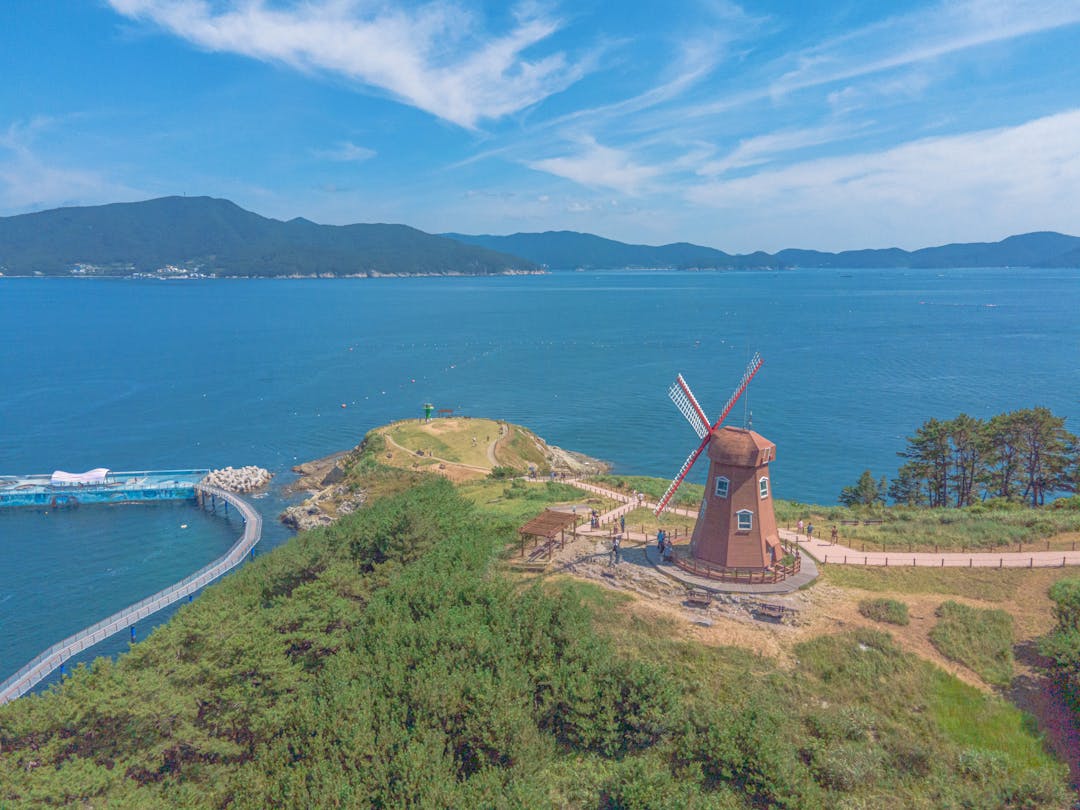
Photo by HANMU STUDIO on pexels
Quick Answer
Busan's location in the southeast corner of Korea puts several excellent destinations within day-trip range. The most rewarding are Gyeongju (1 hour, ancient capital), Tongyeong (1.5 hours, coastal city with islands), Geoje Island (1.5–2 hours, beaches and scenic coastline), and Ulsan (40 minutes, industrial city with a surprisingly beautiful coastline). All are reachable by public transport without a car.
The Full Answer
Most visitors think of Busan as a destination, not a base. That is a missed opportunity.
The city sits at the convergence of Korea's southeastern coast and the KTX rail network. A significant cluster of distinctly different places — old kingdoms, island coastlines, fishing villages, wartime history — are within striking distance of a single hotel.
What follows covers the best day trips from Busan, organized by travel time, with enough practical detail to plan each one without further research.
1. Gyeongju — 20–35 Minutes by KTX
Best for: Ancient history, UNESCO heritage, temple architecture
Why go: Gyeongju was the capital of the Silla Kingdom for nearly a thousand years, and the density of archaeological remains within the city limits is unlike anywhere else in Korea. Royal burial mounds sit in the middle of residential streets. Ancient temples are within cycling distance of the city center. UNESCO listed the historic areas in 2000.
What to see: Tumuli Park (대릉원) is the most immediately striking — a large park filled with grass-covered royal tombs, some of which you can enter. Bulguksa Temple (불국사) and Seokguram Grotto are the most famous sites and require a taxi or bus from the city center. Anapji Pond (안압지) is best in the evening when it is lit up.
Getting there: KTX from Busan Station to Singyeongju Station takes approximately 20–35 minutes depending on the service. A slower ITX or Mugunghwa train to Gyeongju Station (more central) takes about 1 hour but drops you closer to the historic district. Most travelers take the KTX to Singyeongju then a taxi or bus into town.
How long you need: A focused day covers Tumuli Park, Bulguksa, and the city center. Two days is better if you want Seokguram and Anapji.
Cost: Bulguksa entrance approximately 6,000 KRW; Seokguram 6,000 KRW; Tumuli Park 3,000 KRW.

2. Tongyeong — About 1.5 Hours by Bus
Best for: Island views, seafood, hillside murals
Why go: Tongyeong is often called the "Naples of Korea" — a port city built across hills and connected by water, with a cable car, a historic turtle ship museum, and some of the best seafood in the country. It is less visited by foreign tourists than Gyeongju or Busan, which works in your favor.
What to see: The Hallyeohaesang National Park cable car (한려수도 조망 케이블카) offers aerial views over the island-dotted sea — this alone is worth the trip. The Dongpirang Mural Village (동피랑 벽화마을) is a hillside neighborhood covered in colorful murals. The Ganggwan Market near the waterfront is the place to eat fresh oysters and seafood straight from the source.
Getting there: Express bus from Busan's Seobu Bus Terminal (서부버스터미널, Line 2 Sasang station) to Tongyeong Terminal — approximately 1.5 hours, though travel time varies by traffic and route. No direct train. Buses run frequently throughout the day.
How long you need: A full day is comfortable. Cable car + mural village + waterfront market fills 6–7 hours easily.
Cost: Cable car approximately 15,000 KRW return. Most market seafood is priced by portion — budget 20,000–40,000 KRW for a proper seafood lunch.

3. Geoje Island — 1.5 to 2 Hours by Bus
Best for: Scenic coastline, island gardens, Korean War history
Why go: Geoje (거제도) is Korea's second-largest island and is connected to the mainland by bridge, making it accessible without a ferry. The coastline is dramatic — rocky cliffs, small fishing villages, and beaches that feel genuinely remote despite being two hours from a major city. It also has the Geoje POW Camp (거제 포로수용소), a well-preserved Korean War site.
What to see: Oedo Botania (외도보타니아) is a privately maintained island garden accessible by ferry from Gujora or Hakdong — one of the most photographed spots in Korea. Windy Hill (바람의 언덕) and Sinseondae are scenic coastal viewpoints near Dojangpo. The POW Camp in Geoje City is genuinely interesting for history-focused travelers.
Getting there: Express bus from Busan's Seobu Bus Terminal to Geoje — approximately 1.5 to 2 hours depending on destination. Some buses go directly to specific areas like Gujora; others terminate at Geoje City. Check before boarding.
How long you need: Geoje is large. Choose one zone — either the Oedo/Windy Hill area or the historic sites in the city — for a day trip. Trying to cover both is rushed.
Cost: Oedo Botania ferry and entrance approximately 16,000–20,000 KRW depending on departure point.
4. Ulsan — 40 Minutes
Best for: Sunrise coastline, bamboo groves, off-the-beaten-path nature
Why go: Ulsan is Korea's industrial heartland — home to the Hyundai shipyard — and most travelers skip it entirely. That is a mistake. Ganjeolgot Cape (간절곶) is the easternmost point of the Korean mainland and a classic sunrise destination. The Taehwagang Grand Park (태화강 국가정원) along the river is unexpectedly beautiful, and the bamboo forest there is one of the most serene spots in the region.
What to see: Ganjeolgot Cape for the lighthouse and coastal walk. Taehwagang Grand Park for the river and bamboo grove. Ulsan Grand Park if you have extra time.
Getting there: KTX from Busan Station to Ulsan Station takes approximately 22 minutes. From Ulsan Station, a taxi to Ganjeolgot takes about 30 minutes and costs around 25,000–30,000 KRW.
How long you need: Half a day is enough for Ganjeolgot and the river park. Ulsan does not need a full day unless you have specific interests.
5. Jinhae — 45 Minutes (Seasonal: Late March to Early April)
Best for: Cherry blossoms, canal scenery, spring festivals
Why go: Jinhae (진해) hosts Korea's largest cherry blossom festival — the Jinhae Gunhangje Festival — typically in late March or early April. During peak bloom, the city's canals and streets are completely covered in cherry blossoms. Outside of blossom season, there is less reason to make the trip specifically.
What to see: Yeojwacheon Stream (여좌천) — the canal lined with cherry trees that appears in every photo you have seen of the festival. Jinhae Tower (진해루) for elevated views. The naval port area for a different angle on the blossoms.
Getting there: Train from Busan to Changwon Central, then bus or taxi to Jinhae — approximately 45 minutes to 1 hour. During festival season, special trains run directly. Crowds during peak bloom are significant — arrive early or on a weekday.
How long you need: 3–5 hours is enough. The main draw is concentrated along the canal and a few key streets.
Important: During peak bloom, return buses from Jinhae fill up fast. Buy your return ticket when you arrive — do not wait until you are ready to leave.
6. Hadong Tea Fields — 2 Hours (Seasonal: May)
Best for: Green tea scenery, Buddhist temples, slower pace
Why go: The Hwagae Valley (화개장터) in Hadong is the heart of Korea's green tea growing region. In May, the tea fields are vivid green and the valley is in full bloom. The Ssanggye Temple (쌍계사) nearby is one of the most scenic Buddhist temples in the south.
Getting there: Bus from Busan Seobu Terminal to Hadong — approximately 2 hours. Hadong is at the outer limit for a comfortable day trip; start early.
How long you need: Ssanggye Temple + tea field walk takes about 4–5 hours. Combine with lunch at a local traditional restaurant for a full day.
What You Need to Know
- Seobu Bus Terminal vs Busan Station: Most destinations to the west and south (Tongyeong, Geoje, Hadong) use Seobu Bus Terminal (서부버스터미널, Line 2, Sasang station). Gyeongju and Ulsan are faster by KTX from Busan Station. Knowing which terminal before you go saves confusion.
- Geoje and Tongyeong require buses, not trains. There is no direct rail connection. Bus schedules are frequent but check return times — last buses from smaller towns can be earlier than expected.
- Jinhae cherry blossoms sell out fast. Accommodation near Jinhae during festival week books months ahead. If you are visiting Korea in late March specifically for blossoms, plan early.
- Car rental changes the equation. Geoje Island in particular is much better explored with a car. If you are comfortable driving in Korea, renting for a day trip to Geoje opens up the entire coastline.
Practical Tips
- Gyeongju is the easiest day trip by train. The KTX connection from Busan is fast, frequent, and drops you within reach of the main sites. It is the most accessible option if you only have one day for a trip outside Busan.
- Book Oedo Botania ferry tickets well in advance. The ferry fills up on weekends and throughout spring and autumn — same-day tickets are often unavailable. Check availability before committing to Geoje as your destination.
- Tongyeong is best on a clear day. The cable car views depend entirely on visibility — check the forecast before committing.
- Ulsan is underrated for food. The city's lack of tourist polish means restaurants are priced for locals. Ulsan-style beef bulgogi and raw fish near the port are genuinely good.
- For Jinhae blossoms, Tuesday to Thursday is significantly less crowded than weekends. The blossoms typically last 7–10 days — timing matters more than which day you pick if the peak has not passed.
- Allow extra time for return buses from Tongyeong and Geoje. Both are popular destinations and evening buses can sell out on weekends. Buy a return ticket when you arrive.
Frequently Asked Questions
Which day trip from Busan is best for first-time visitors? Gyeongju is the most rewarding for most first-time visitors — it is easy to reach by KTX, the historical density is unmatched, and it offers a sharp contrast to Busan's coastal and urban character. Tongyeong is the better pick if you want a scenic, slower day near the sea.
Do I need a car for these day trips? Not for Gyeongju or Ulsan — both are manageable by public transport. Tongyeong is workable without a car but slower. Geoje Island is significantly better with a car; the bus routes cover the main spots but the coastline is best explored independently.
Is Gyeongju worth a full day trip from Busan? Yes — but it is even better as an overnight stay. Bulguksa, Seokguram, Tumuli Park, and Anapji Pond each take 1–2 hours. Fitting all four into a single day is rushed. If you have flexibility, one night in Gyeongju lets you see the illuminated pond and start Seokguram at sunrise.
When is the best time of year for these day trips? Spring (April–May) and autumn (September–October) are the most comfortable for all destinations. Jinhae blossoms peak in late March to early April. Hadong tea fields are best in May. Summer is hot and humid but Geoje beaches are at their best. Winter is manageable for Gyeongju as the historical sites are less crowded.