Udo Island Day Trip from Jeju — Ferry, Beaches, and What to Eat
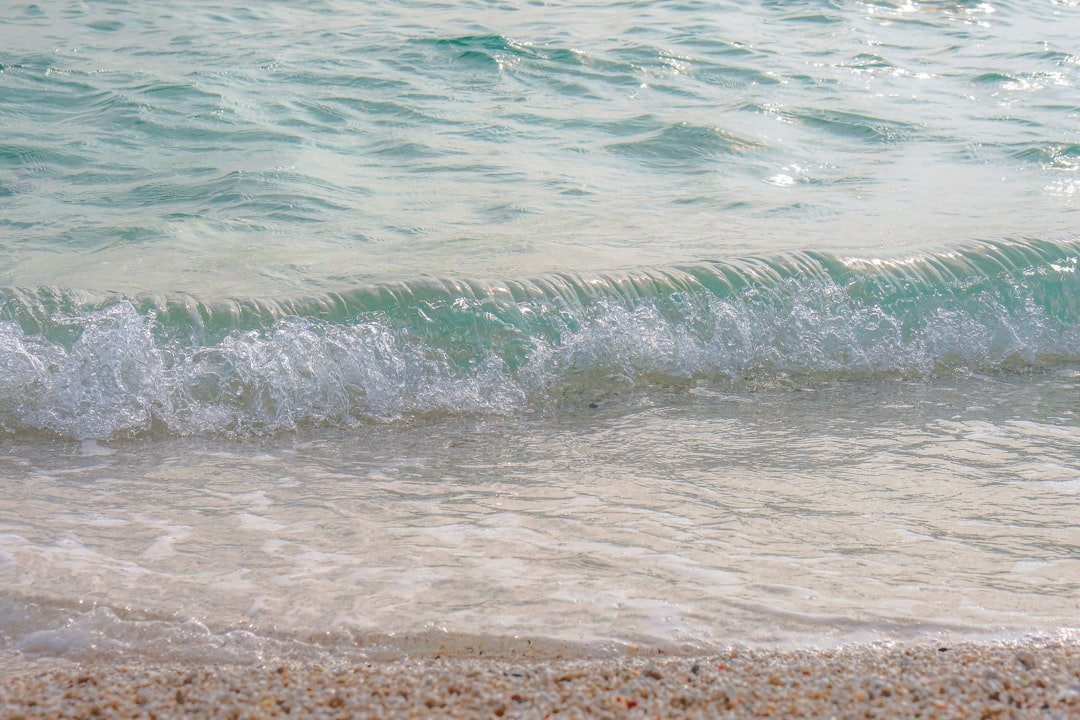
Photo by Yujin Seo on Unsplash
Quick Answer
Udo Island is a small island off the northeast coast of Jeju, reached by a 15-minute ferry from Seongsan Port. The round trip costs approximately 6,500 KRW per person, plus a separate island admission fee. Private cars are not allowed — visitors get around by rental bike, electric scooter, or tour bus. A half-day is enough to cover the main beaches; a full day allows a relaxed pace with time for food and the lighthouse.
The Full Answer
Udo is one of the most visited day trips from Jeju, and for good reason: the island is small enough to circle in a few hours, the beaches have some of the clearest water in the area, and the restrictions on private vehicles keep it quieter than most tourist destinations of its size. It is also the source of the black peanut (흑땅콩) products that appear across Jeju — the soft serve ice cream sold near the ferry terminal is what many visitors end up remembering.
The island is roughly 6km across at its widest point. Most of what you want to see is along the coast road, which makes navigation straightforward whether you rent a bike or take the tour bus.
Getting There
From Seongsan Port (성산항): The most common departure point. Ferries run approximately every 30 minutes during peak season (June–August), with reduced frequency outside peak season. The crossing takes about 15 minutes. Seongsan Port is about 1km from Seongsan Ilchulbong — most visitors combine both in the same day.
From Jongdal Port (종달항): A less busy alternative on the northeast coast of Jeju. Slightly shorter crossing (about 10 minutes), fewer tourists at the terminal.
Ferry tickets: Approximately 3,000–3,500 KRW each way per person (as of 2026). Round trip approximately 6,500 KRW. Tickets are purchased at the terminal; no advance booking is needed for walk-on passengers. Vehicle passage is restricted to island residents.
Island admission fee: A separate fee (approximately 1,000–1,500 KRW as of 2026) is charged on arrival. This is collected at the port exit gate.
Timing: First ferry from Seongsan typically departs around 7:30 AM in peak season; last return is generally around 6:00 PM, though both vary by season — confirm at the terminal on arrival. Arriving on the first or second ferry of the morning is the best way to beat crowds at the main beaches.
Getting Around Udo
Visitors have three options for getting around:
Rental bikes: The most popular choice. Standard bikes and electric bikes are available from rental shops near the ferry terminal. The island road is mostly flat with a few gentle inclines — a standard circuit takes about 1.5–2 hours by bike at a relaxed pace. Rental rates approximately 10,000–15,000 KRW for a full day (as of 2026), less for electric bikes per hour.
Electric scooters: Available from the same rental shops as bikes. Faster than cycling and practical if you want to cover more ground. Require a driver's license.
Tour bus (관광버스): A loop bus runs continuously around the island, stopping at the main beaches and the lighthouse. Practical for visitors who don't want to cycle. Approximately 5,000–8,000 KRW for unlimited rides (as of 2026). Buses depart from the terminal area.
What to See
Seobin Baeksa Beach (서빈백사 / 홍조단괴해변)
The most distinctive beach on the island. The sand here is formed from fragments of coral and red algae (홍조단괴) rather than volcanic rock, giving it an unusually pale, almost pinkish-white color. The beach is on the eastern side of the island, facing Seongsan Ilchulbong across the water.
It is shallow and calm — good for wading. The combination of white sand and clear water looks distinctly different from mainland Korean beaches. This is the beach most associated with Udo in photos.
Note: Swimming is permitted but the beach is monitored; follow any posted guidelines during peak season.
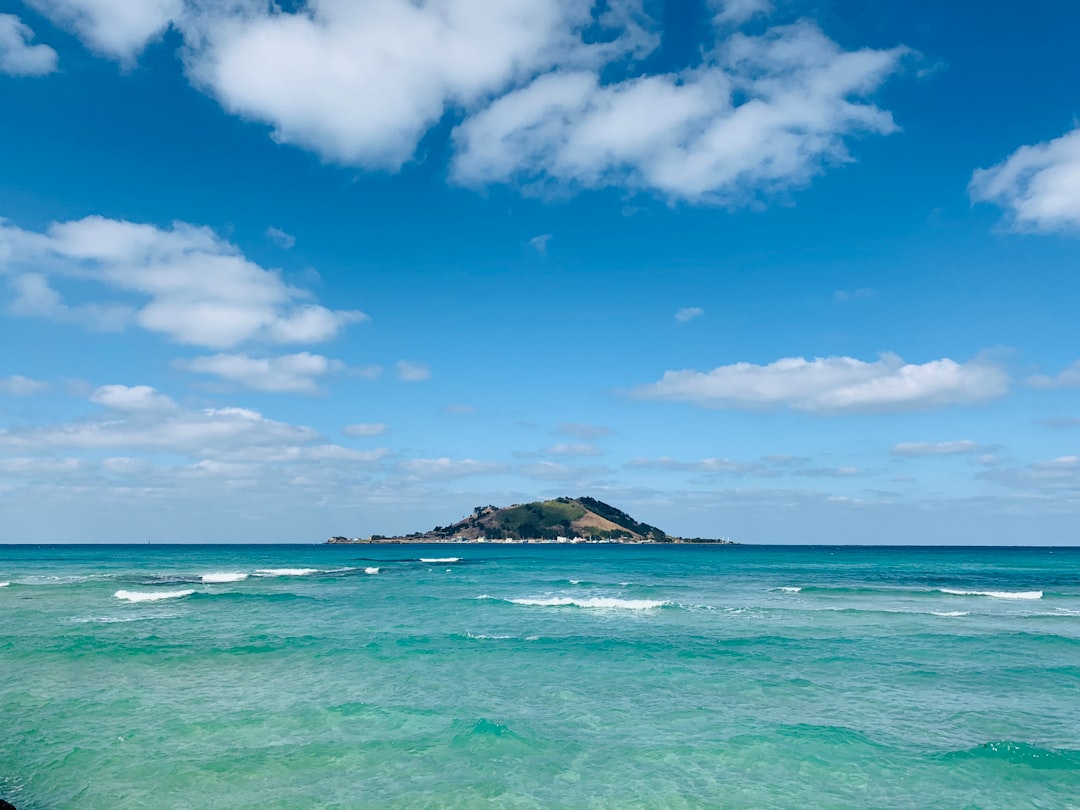
Haamuri Beach (하고수동해수욕장)
On the north side of the island, this is the main swimming beach. The water is clear and turquoise, the sandy bottom slopes gradually, and the beach is wider than Seobin Baeksa. This is where most people actually swim. Facilities — showers, changing rooms — are available during peak season.
Geommeollae Beach (검멀레 해변)
On the south coast, Geommeollae is a black-pebble and volcanic rock beach rather than a sand beach. It is the most dramatic coastal scenery on the island — dark basalt rock formations, natural caves along the cliff face, and a cave (우도 동안경굴) that can be explored on foot at low tide. The atmosphere is completely different from the pale sand beaches on the east and north sides.
Worth a short stop even if you don't plan to swim here.
Udo Lighthouse Park (우도등대공원)
At the highest point of the island, the lighthouse park offers panoramic views of Jeju's east coast, Seongsan Ilchulbong, and on clear days, the open ocean. The walk up is short. The lighthouse itself dates from the early 20th century.
What to Eat on Udo
Black peanut ice cream (흑땅콩 아이스크림): The thing Udo is most known for in food terms. The black peanuts grown on Udo have a noticeably earthier, slightly bitter flavor compared to standard peanuts. The soft serve ice cream sold at stalls near the Seongsan ferry terminal — and throughout the island — reflects this. It is worth eating on the island rather than buying Udo peanut products elsewhere, where the flavor is diluted by processing. A cone costs approximately 3,000–4,000 KRW (as of 2026).
Haenyeo seafood: Stalls along the coast sell what was caught that morning — sea urchin rice (성게밥), raw shellfish (소라회), and sometimes fresh abalone. These are informal, cash-based, and operate based on what was caught. Quality and availability vary by day and season. The eastern coast near Seobin Baeksa has a cluster of these stalls.
Sea urchin bibimbap (성게비빔밥): Available at small restaurants near the ferry terminal and the beaches. Sea urchin from the waters around Udo is considered good quality. A bowl runs approximately 15,000–20,000 KRW (as of 2026).

What You Need to Know
- Crowds peak in July and August. The island receives a large number of day trippers during Korean school holidays. An early ferry — first or second departure of the day — makes a significant difference at the beaches.
- The tour bus is the right call for bad weather or if cycling isn't comfortable. The island road is manageable but exposed to wind; on rainy days, the bus is the practical choice.
- Udo peanut products are sold everywhere on Jeju, but the ice cream tastes best on the island itself. The freshness and texture of the soft serve near the terminal is noticeably better than packaged products sold in Jeju City gift shops.
- Combine with Seongsan Ilchulbong for a full east-coast day. Seongsan is a 10-minute drive from the ferry terminal. Visiting Ilchulbong first (sunrise or morning), then taking the ferry to Udo gives you a complete day without excessive travel.
- Last ferry timing matters. Missing the last return ferry is not a disaster — there is accommodation on Udo for those who want to stay overnight — but it requires a plan. Confirm the last departure time at the terminal when you arrive.
Practical Tips
- Take the first or second ferry of the day. Crowds build significantly after 10 AM. The beaches and coastal paths feel completely different before the tour groups arrive.
- Rent a bike at the terminal, not mid-island. The rental shops near the ferry terminal have the widest selection and competitive pricing. Shops further into the island may have limited availability later in the day.
- Eat the black peanut ice cream near the Seongsan-side terminal, not the Jongdal-side. The Seongsan terminal has more stall operators and fresher rotation.
- Bring cash. Haenyeo stalls and some small restaurants on the island are cash only (as of 2026).
- Start with Seobin Baeksa, then Haamuri, then Geommeollae. This roughly follows the eastern coastal loop and keeps the most dramatic scenery for last before heading back.
- Allow 4–6 hours minimum. A rushed 2-hour visit covers the ferry and one beach. A proper day trip — beaches, lighthouse, lunch, ice cream — needs at least 4 hours on the island.
- If combining with Seongsan Ilchulbong, do Ilchulbong first. The climb is best in the morning light and gets crowded by midday.
Frequently Asked Questions
How do you get to Udo Island from Jeju? Take a ferry from Seongsan Port on the northeast coast of Jeju. The crossing takes about 15 minutes and ferries run approximately every 30 minutes during peak season. The port is accessible by car or by bus from Jeju City (about 1 hour by bus).
How much does it cost to visit Udo Island? The round trip ferry fare is approximately 6,500 KRW per person, plus a separate island admission fee of approximately 1,000–1,500 KRW. Getting around the island costs extra: bike rental runs 10,000–15,000 KRW per day; the tour bus is approximately 5,000–8,000 KRW for unlimited rides (all as of 2026).
Do you need to book the ferry to Udo Island in advance? No advance booking is needed for walk-on passengers. Tickets are purchased at the terminal. During peak season (July–August), arriving early to catch the first few ferries is advisable to avoid waits.
How long should you spend on Udo Island? A half-day (3–4 hours) is enough to visit the main beaches. A full day (5–6 hours) allows a relaxed pace — beaches, lighthouse, lunch, and the black peanut ice cream without rushing.
Is Udo Island worth visiting? Yes, particularly if your Jeju itinerary includes time on the east coast. The coral sand beach (Seobin Baeksa), clear water at Haamuri, and the dramatic basalt at Geommeollae are all distinct from anything on the Jeju mainland. The black peanut ice cream is a genuine island specialty rather than a tourist gimmick.